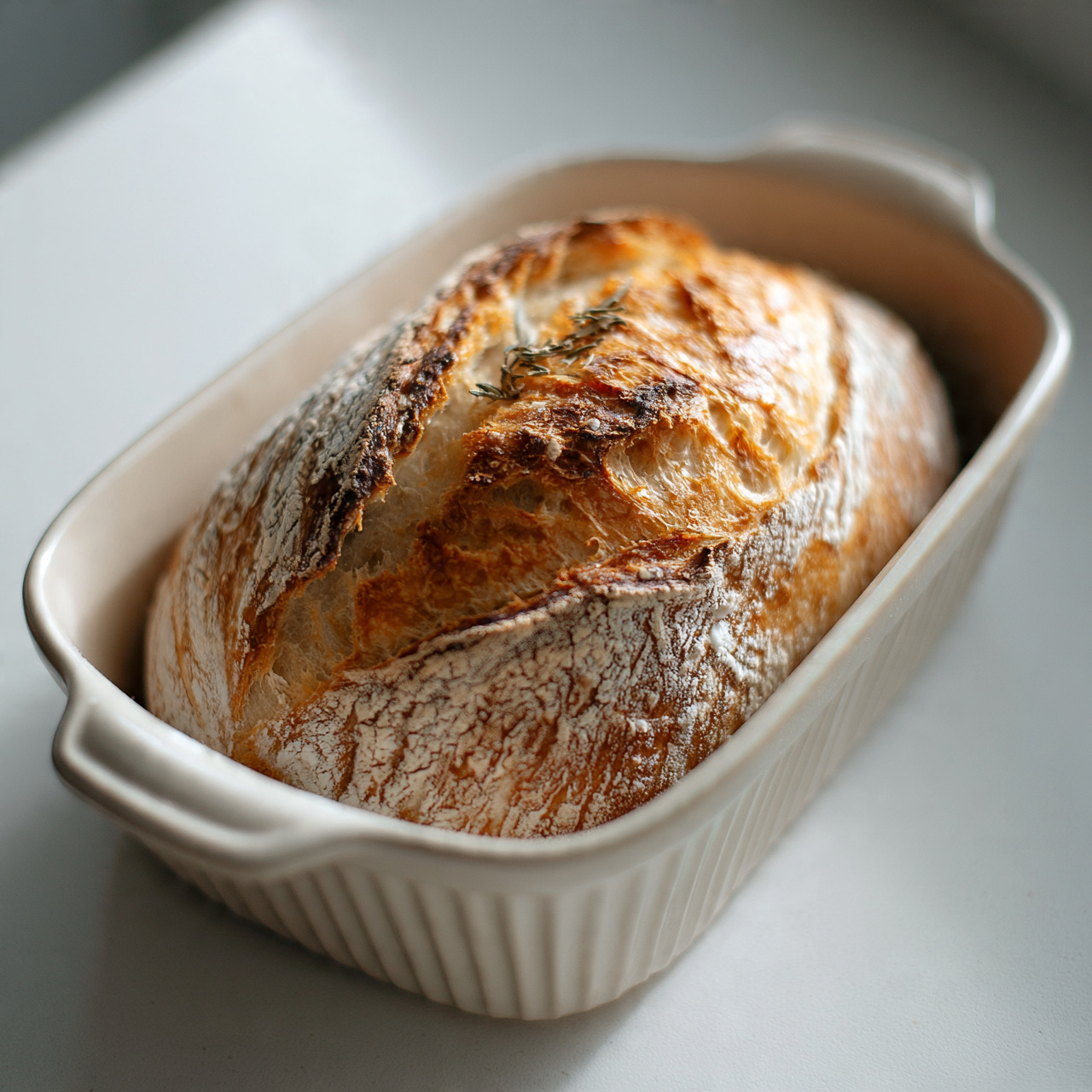
Sourdough Discard Bread (Easy Sandwich Loaf Recipe)
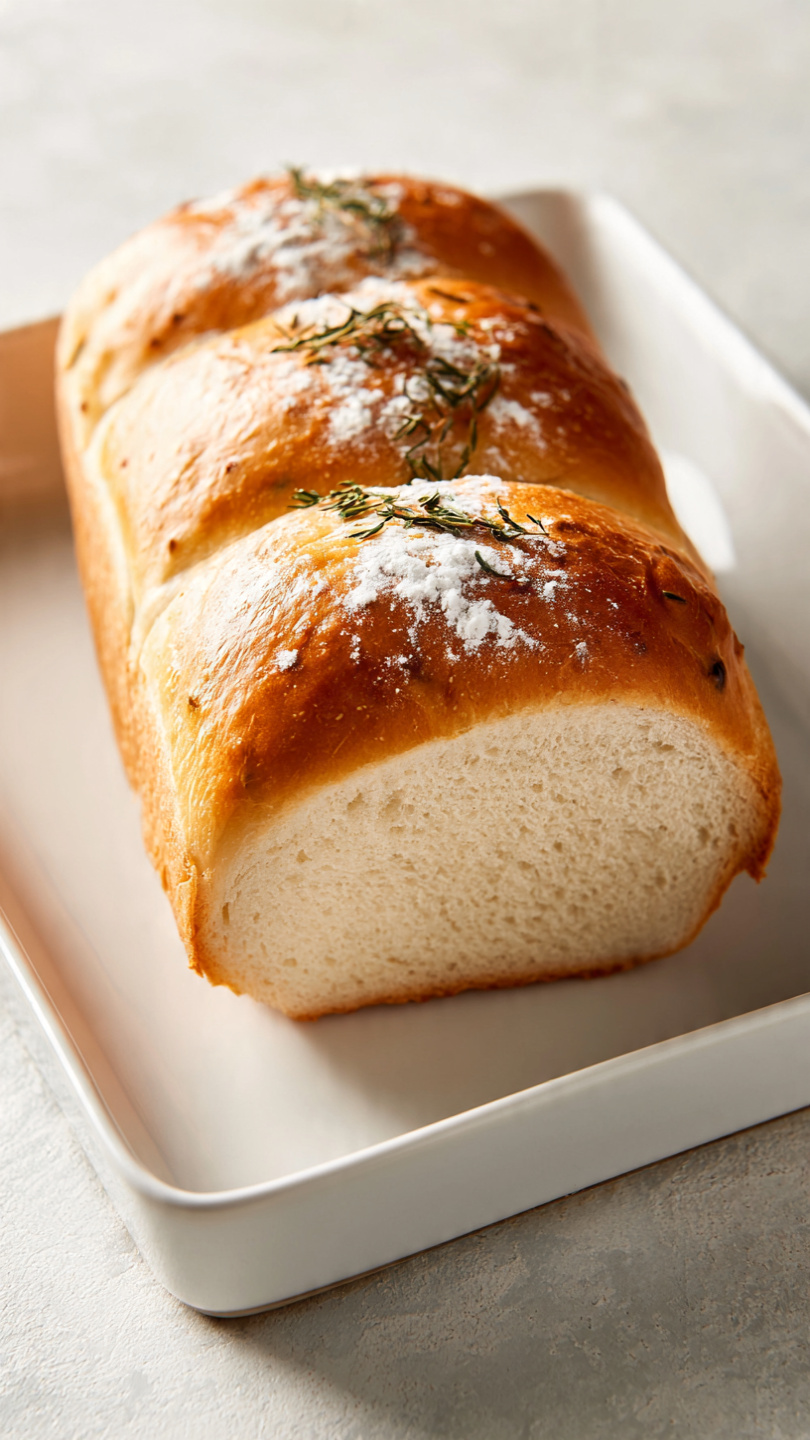
This easy sourdough discard bread bakes into a soft, tangy sandwich loaf that uses up your starter scraps with zero waste. A beginner-friendly recipe that delivers bakery-worthy results every single time.

The Best Way to Use Up Your Sourdough Discard (and Actually Love the Result)
If you have a sourdough starter, you already know the routine. You feed it, you pour off the excess, and then you stare at that jar of discard wondering what to do with it. The good news? That tangy, slightly funky liquid is absolute gold when it comes to baking bread. This easy sourdough discard sandwich bread is soft, golden, and just complex enough to taste like something truly special, without requiring a 48-hour ferment or a baking stone.
This is the recipe I reach for on weeknights when I want homemade bread on the table without a full sourdough commitment. It is a beginner sourdough loaf recipe at heart, which means forgiving timing, a familiar sandwich crumb, and reliable results even if your discard has been sitting in the fridge for a week.
Why This Recipe Works So Well
The secret to this sourdough discard bread quick method is simple: we use commercial yeast to do the heavy lifting on rise, and let the discard handle all the flavor. You get the best of both worlds. A predictable, manageable timeline and a loaf that actually tastes like sourdough.
Here is what makes this loaf stand out:
- Soft, tender crumb from a small amount of butter worked into the dough
- Balanced tang from discard that has had a few days to develop acidity
- Sturdy enough to slice thin for sandwiches, yet open enough to soak up butter
- Flexible timing so the second rise can be stretched if life gets busy
This is also a fantastic sourdough discard sandwich loaf for anyone who wants to gift homemade bread. It slices cleanly, travels well, and keeps for days.
Before we get into it, the right tools genuinely make a difference here. A good 9x5 loaf pan with straight sides gives you that classic sandwich shape, and an instant-read thermometer takes all the guesswork out of knowing when the interior is fully baked.
A Few Tips Before You Start
On Your Discard
Not all discard is created equal. For this sourdough bread starter discard recipe, older discard (think 5 to 10 days in the fridge) will give you a noticeably more sour, complex flavor. Fresher discard will produce a milder loaf. Both work beautifully. Use whatever you have.
Chef's Tip: Cold discard straight from the fridge is perfectly fine to use. You do not need to bring it to room temperature first, though doing so can speed up your first rise slightly.
On Flour
All-purpose flour works on its own, but adding a half cup of bread flour bumps up the protein content and gives your crumb a slightly chewier, more satisfying bite. If you only have all-purpose flour on hand, just use 3.5 cups total and move forward without worry.
On the Rise
Dough rises differently depending on the temperature of your kitchen. A warm spot, like the top of the refrigerator, inside a turned-off oven with just the light on, or near a sunny window, will get you to that doubled size faster. On a cold winter day, budget an extra 20 to 30 minutes for each rise.
What Makes This an Easy Sourdough Sandwich Bread Recipe
A lot of sourdough discard sandwich bread recipes online are technically sourdough-adjacent but feel intimidating to a newer baker. This one is genuinely straightforward. The dough comes together in under 20 minutes, the two rises fit into a normal afternoon, and there is no scoring, steam-injected oven, or Dutch oven required.
The shaping step is also very forgiving. You flatten, roll, and tuck. That is it. Even a slightly imperfect roll will bake up beautifully inside a loaf pan.
This is the kind of bread that makes your whole house smell incredible and earns you serious compliments at the dinner table.
Ready to bake it yourself? Here is the full step-by-step recipe card:
Sourdough Discard Bread (Easy Sandwich Loaf Recipe)
This easy sourdough discard bread bakes into a soft, tangy sandwich loaf that uses up your starter scraps with zero waste. A beginner-friendly recipe that delivers bakery-worthy results every single time.
Ingredients
- 1 cup sourdough discard, unfed, straight from the fridge or at room temperature
- 1/2 cup warm water, around 105 to 110 degrees F
- 2 1/4 tsp active dry yeast, one standard packet
- 2 tbsp honey, or granulated sugar
- 3 cups all-purpose flour, plus extra for dusting
- 1/2 cup bread flour, optional but gives a chewier crumb
- 1 1/2 tsp salt, fine sea salt preferred
- 2 tbsp unsalted butter, softened, plus more for greasing the pan
- 1 tbsp neutral oil or melted butter, for brushing the top before baking, optional
Instruction
In a small bowl or measuring cup, combine the warm water, honey, and active dry yeast. Stir gently and let sit for 5 to 10 minutes until foamy and fragrant. If it does not foam, your yeast may be expired.
In the bowl of a stand mixer fitted with a dough hook, combine the sourdough discard, activated yeast mixture, all-purpose flour, bread flour (if using), and salt. Mix on low speed for 2 minutes until a shaggy dough forms.
Add the softened butter one tablespoon at a time and increase the speed to medium. Knead for 7 to 8 minutes until the dough is smooth, elastic, and slightly tacky but not sticky. It should pull away cleanly from the sides of the bowl.
Shape the dough into a ball and place it in a lightly greased bowl. Cover with plastic wrap or a damp kitchen towel. Let rise in a warm spot for 1 to 1.5 hours, or until doubled in size.
Punch down the dough and turn it out onto a lightly floured surface. Gently flatten it into a rough rectangle about as wide as your 9x5 inch loaf pan.
Tightly roll the dough from one short end to the other, pinching the seam and ends to seal. Place it seam-side down into a buttered 9x5 inch loaf pan.
Cover loosely and let rise again for 45 minutes to 1 hour, until the dough crowns about one inch above the rim of the pan.
While the dough finishes its second rise, preheat your oven to 375 degrees F (190 degrees C).
Brush the top of the loaf with melted butter or oil if desired. Bake for 35 to 40 minutes, until the top is deep golden brown and the internal temperature reads 190 to 200 degrees F on an instant-read thermometer.
Remove from the oven and let the loaf cool in the pan for 10 minutes. Then transfer to a wire rack and cool for at least 30 minutes before slicing. Cutting too early will give you a gummy crumb.
Equipment
- Stand mixer with dough hook (or large mixing bowl for hand kneading)
- 9x5 inch loaf pan
- Instant-read thermometer
- Wire cooling rack
- Plastic wrap or damp kitchen towel
- Small bowl for proofing yeast
Notes
Serving Suggestions and Variations
This easy sourdough discard sandwich loaf is endlessly versatile. Here are a few ways to enjoy it:
- Classic toast with salted butter and a drizzle of honey for breakfast
- Thick-cut sandwiches with turkey, avocado, and a swipe of whole grain mustard
- French toast on day two, when the loaf has had time to firm up
- Grilled cheese where the mild tang of the discard plays perfectly off sharp cheddar
Variations Worth Trying
- Herb and garlic: Fold 2 teaspoons of dried rosemary and 3 minced garlic cloves into the dough after the butter
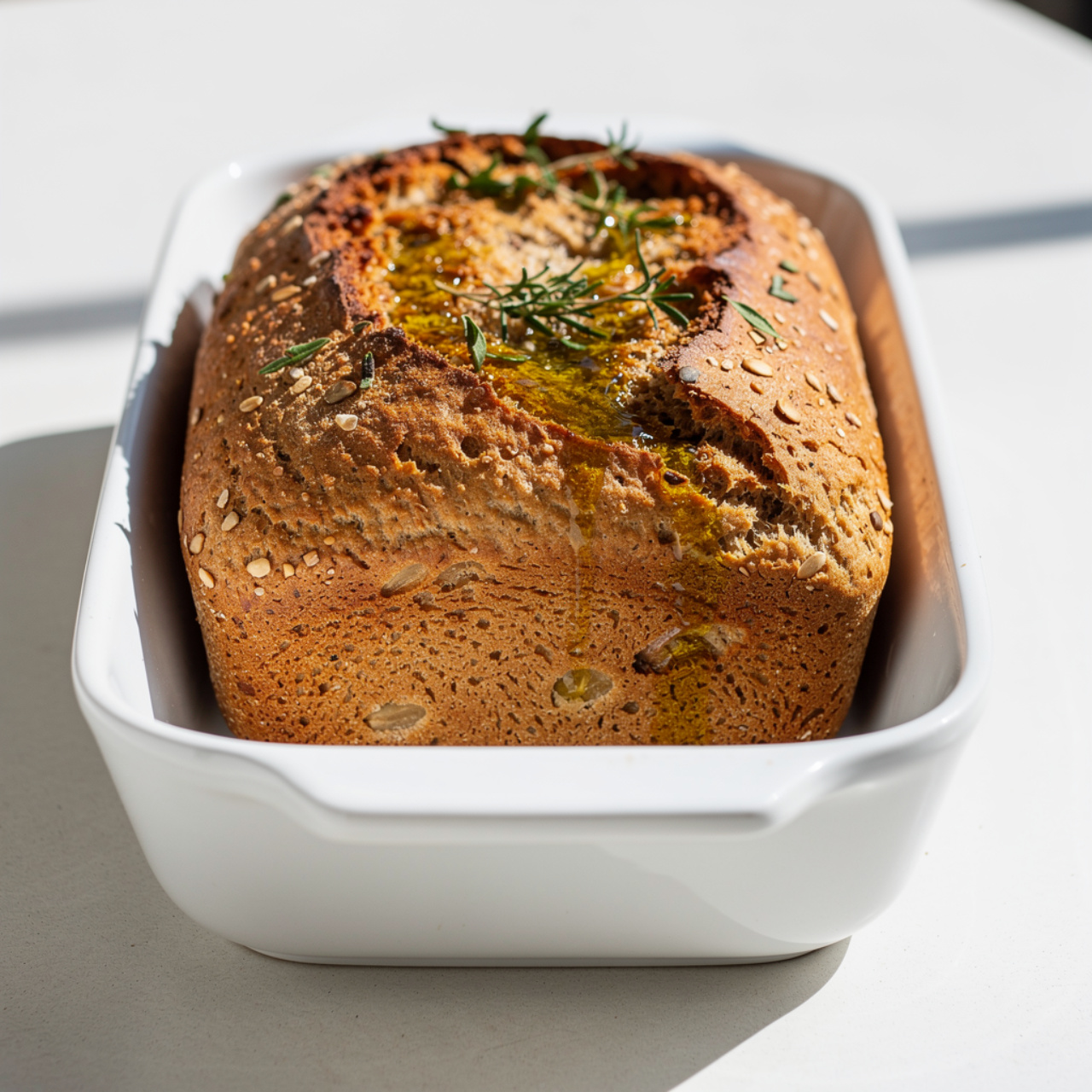
- Seeded loaf: Press sesame, poppy, or sunflower seeds into the top just before baking
- Whole wheat: Swap up to 1 cup of the all-purpose flour for whole wheat flour for a heartier, nuttier loaf
Storing and Freezing Your Loaf
Once completely cooled, wrap the loaf tightly in plastic wrap or a beeswax wrap and store at room temperature for up to 3 days. For longer storage, slice the loaf and freeze individual slices in a single layer before transferring to a freezer bag. Slices toast perfectly from frozen in just a couple of minutes, making this a great make-ahead sourdough discard loaf bread recipe for busy weeks.
If you have been looking for a reliable, delicious way to work through your starter scraps, this is it. Bake a loaf this weekend and you will wonder why you ever threw that discard away.