Sourdough Cheese Bread (Dutch Oven Cheddar Loaf)
This sourdough cheese bread is loaded with sharp cheddar, baked in a Dutch oven for an impossibly crispy crust and a soft, pillowy crumb. The ultimate easy bread recipe for cheese lovers.

The Sourdough Cheese Bread You'll Want to Bake Every Single Weekend
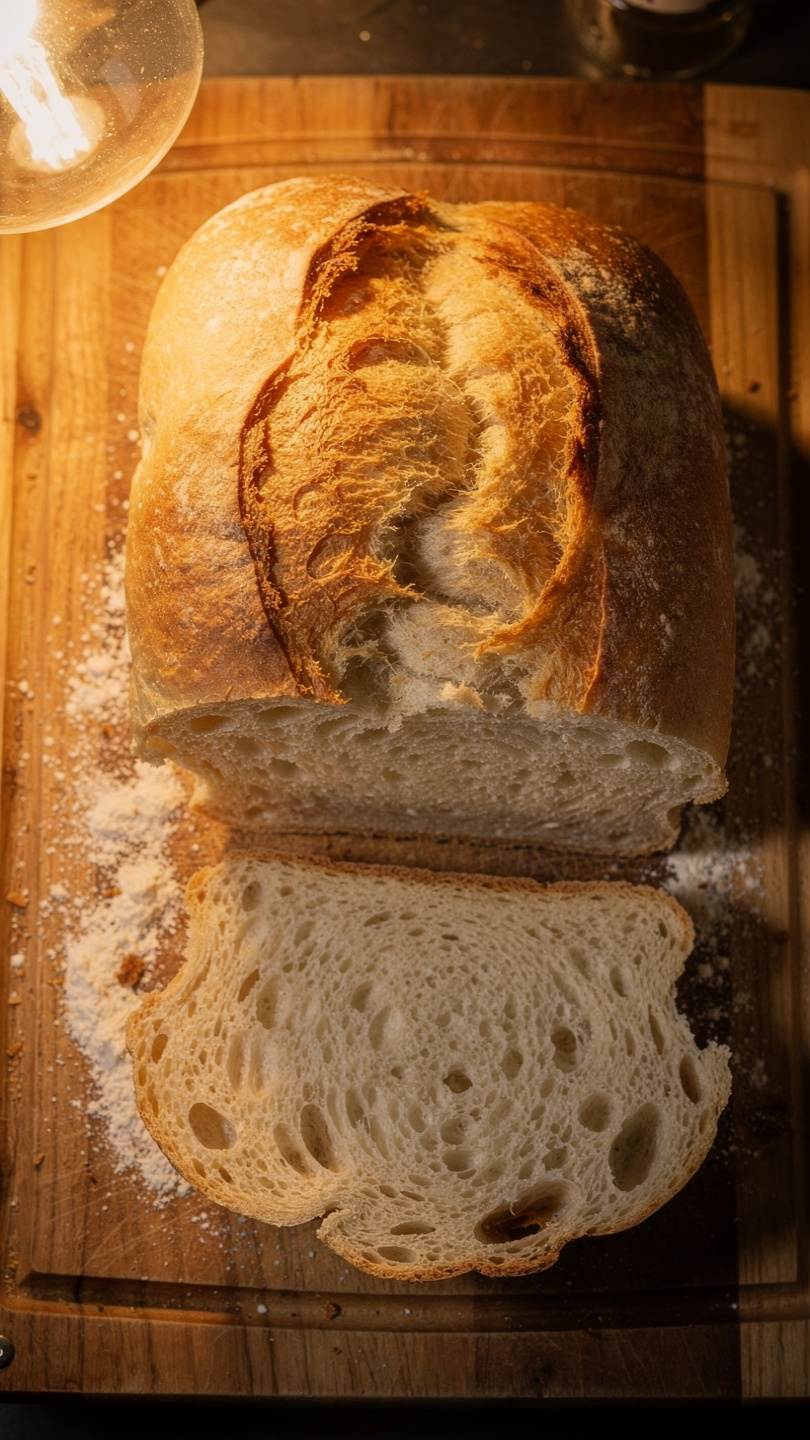
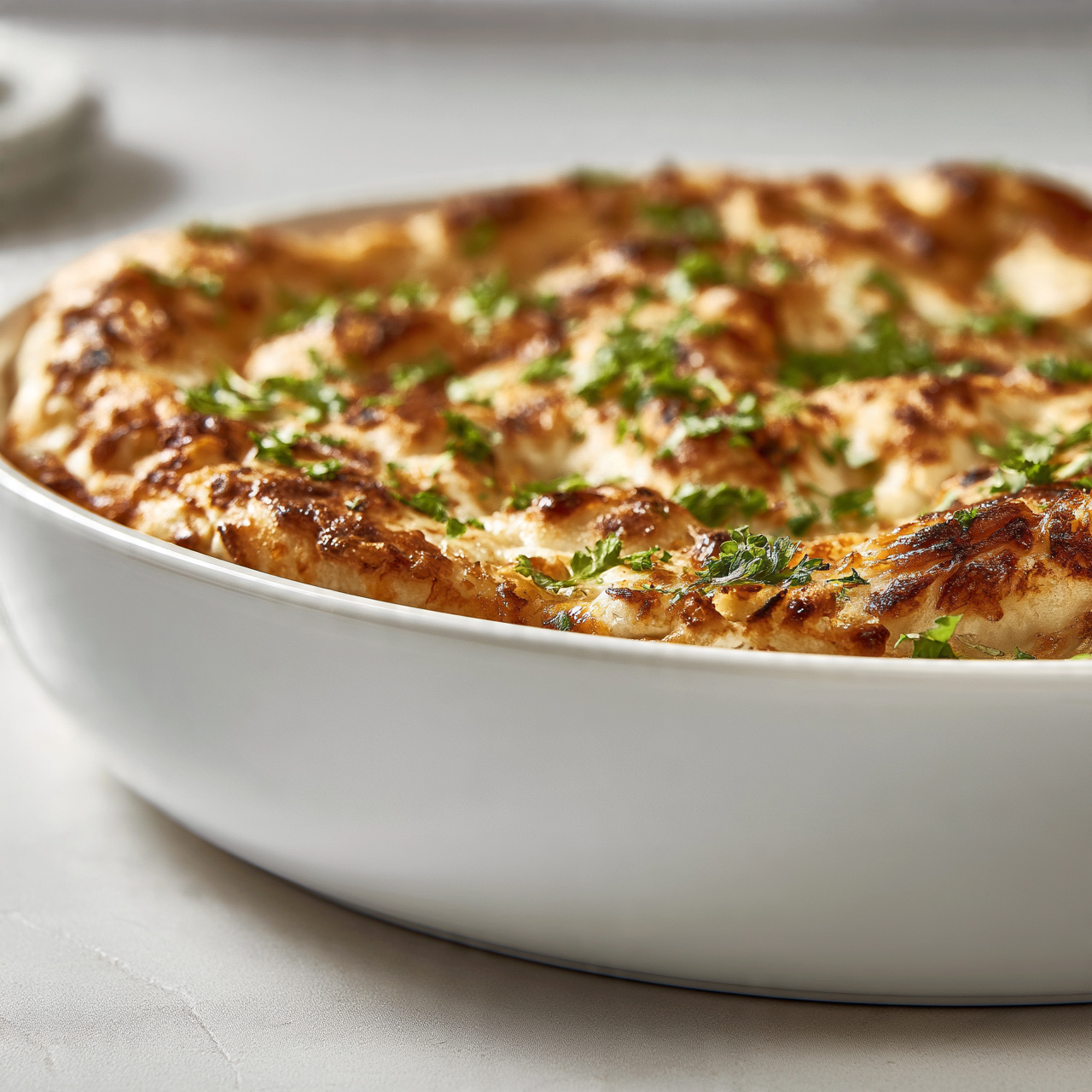
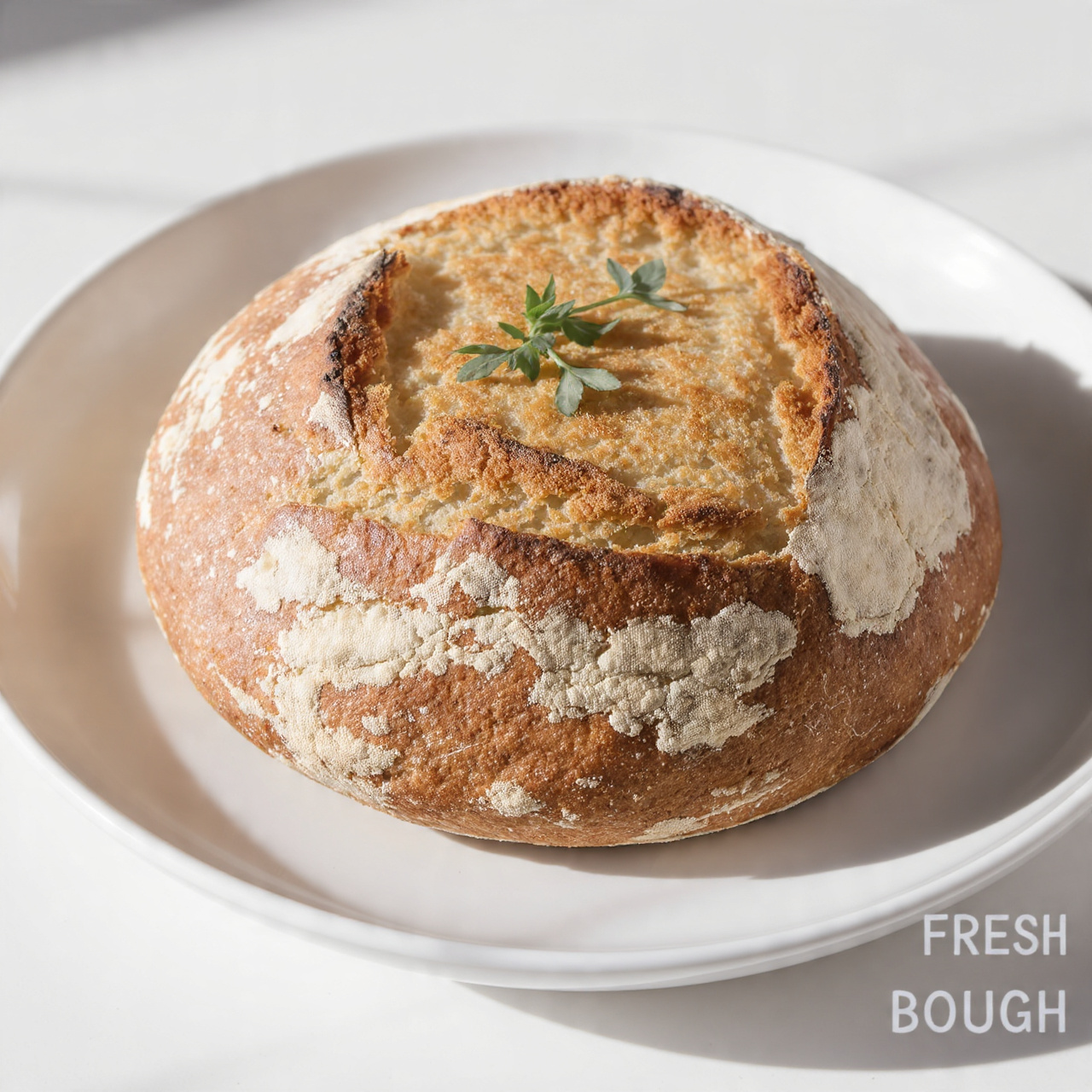
There is a very specific kind of joy that comes from pulling a loaf of sourdough cheese bread out of a screaming-hot Dutch oven. The crust shatters when you tap it. Ribbons of golden cheddar are caramelized and crisp across the top. The inside is tender, open-crumbed, and laced with pockets of melted cheese that stretch when you tear into it. This is that loaf.
This recipe is my absolute favorite mashup of a classic cast iron Dutch oven bread and a serious cheddar pull-apart. It draws from the best of a Cheddar Pretzel Sourdough Loaf and a no-knead country loaf, landing somewhere completely irresistible. Whether you're a seasoned sourdough baker or just getting into easy bread recipes with a Dutch oven, this one is approachable, flexible, and genuinely hard to mess up.
Why the Dutch Oven Is Non-Negotiable Here
If you've ever wondered why artisan bakery bread has that jaw-dropping, deeply caramelized crust while homemade loaves often come out pale and soft, the answer is steam. Commercial ovens inject steam during the first minutes of baking to keep the crust pliable so the loaf can expand fully before the crust sets hard.
At home, a covered cast iron Dutch oven replicates that environment perfectly. The moisture from the dough itself gets trapped inside the pot, doing exactly what a professional deck oven does. The result is a Dutch Oven Cheese Bread with a crust that crackles, an interior that's open and custardy, and cheese that does that perfectly blistered thing you see at good bakeries.
For the best results, you want a 5 to 6 quart cast iron pot and a reliable bread lame for scoring. The right tools genuinely elevate this from good to exceptional.
Building the Flavor: Starter, Cheese, and Time
Good sourdough is mostly about patience. The bulk fermentation and overnight cold proof are where the magic happens, developing the complex tangy flavor that makes this so much more interesting than a yeasted Cheddar Bread or a grocery store cheese loaf.
Here's what makes this recipe stand out:
- Two-cheese situation. Sharp cheddar carries the main flavor, but small cubes of cream cheese folded into the dough melt into creamy little pockets throughout the crumb. It's subtle and completely worth it.
- Cheddar on top. The second hit of cheese goes on right before baking, where it toasts and caramelizes against the crust. This is the layer you see in every "Get This Bread" moment on social media.
- Cold proof overnight. Shaping the dough and letting it rest in the fridge overnight does two things. It makes the dough firmer and much easier to score cleanly, and it gives the flavor extra time to deepen.
Chef's Tip: Use freshly shredded cheese, not the pre-shredded kind from a bag. The anti-caking agents coatings on bagged shredded cheese interfere with melting and can make the crumb slightly gummy. Two minutes of grating makes a real difference.
Dutch Oven Bread Variations Worth Trying
Once you've nailed this base recipe, it opens the door to some really fun Dutch Oven Bread Variations:
- Cheddar Pretzel Sourdough Loaf: Brush the shaped dough with a baking soda wash (1 tablespoon baking soda dissolved in 1 cup of hot water) before topping with cheese and flaky salt. It adds a subtle pretzel depth that pairs beautifully with the sourdough tang.
- Dutch Oven Bread Sweet Variation: Add a tablespoon of honey to the dough during mixing. The gentle sweetness plays beautifully against sharp cheddar and brings out more of the caramelized notes in the crust.
- Jalapeño Cheddar: Fold in 2 tablespoons of pickled jalapeño slices with the cheese during the second stretch-and-fold. Spicy, melty, and absolutely incredible with a bowl of chili.
- Smoked Gouda and Rosemary: Swap half the cheddar for smoked gouda and add a tablespoon of fresh chopped rosemary. Deeply savory and wonderful alongside roasted meats.
A Note on Timing (And Not Stressing About It)
Sourdough intimidates a lot of people because of the time involved, but most of that time is hands-off. Here's a realistic schedule:
- Morning: Mix dough, do stretch-and-folds over 2 hours.
- Afternoon/Evening: Bulk ferment 4 to 8 hours at room temperature.
- Evening: Shape and pop in the fridge overnight.
- Next morning: Preheat oven, bake, cool, devour.
The active hands-on time is maybe 30 minutes total. Everything else is just the dough doing its thing.
Important: Don't skip the 45-minute cooling time after baking. Cutting into a hot sourdough loaf releases the steam too quickly and leaves the crumb gummy and underdeveloped. Wait it out. It's worth it.
Ready to make it? Here is the full step-by-step recipe:
Sourdough Cheese Bread (Dutch Oven Cheddar Loaf)
This sourdough cheese bread is loaded with sharp cheddar, baked in a Dutch oven for an impossibly crispy crust and a soft, pillowy crumb. The ultimate easy bread recipe for cheese lovers.
Ingredients
- 3 cups bread flour, plus more for dusting
- 3/4 cup active sourdough starter, fed and bubbly, at peak activity
- 3/4 cup warm water, around 90 degrees F
- 1 1/2 tsp fine sea salt
- 1 1/2 cups sharp cheddar cheese, freshly shredded, divided
- 2 oz cream cheese, cold, cut into small cubes
- 1/2 tsp garlic powder, optional but recommended
- 1/2 tsp coarse sea salt or flaky salt, for topping before baking
Instruction
In a large mixing bowl, combine the sourdough starter and warm water. Stir until the starter is fully dissolved into the water.
Add the bread flour, fine sea salt, and garlic powder. Mix with a wooden spoon or your hands until a shaggy dough forms with no dry flour remaining. Cover the bowl and let rest for 30 minutes.
Perform four sets of stretch-and-folds over the next 2 hours, spacing them 30 minutes apart. During the second set, fold in 1 cup of the shredded cheddar and all of the cream cheese cubes, distributing them as evenly as possible.
After the final stretch-and-fold, cover the bowl loosely and allow the dough to bulk ferment at room temperature (70 to 75 degrees F) for 4 to 8 hours, until it has grown by about 50 percent and looks domed and bubbly. Timing will vary based on your starter strength and kitchen temperature.
Lightly flour a work surface. Gently turn the dough out and shape it into a tight round boule. Place it seam-side up into a well-floured proofing basket or a bowl lined with a floured kitchen towel.
Cover the shaped dough and refrigerate overnight (8 to 16 hours) for a slow cold proof. This step develops the best flavor and makes scoring much easier.
When ready to bake, place your cast iron Dutch oven (with the lid on) into the oven and preheat to 500 degrees F (260 degrees C) for at least 45 minutes.
Tear off a sheet of parchment paper. Carefully turn the cold dough out onto the parchment seam-side down. Scatter the remaining 0.5 cup of shredded cheddar on top and sprinkle with flaky salt. Score the top of the loaf with a sharp bread lame or razor blade using one confident slash.
Using oven mitts, carefully remove the screaming-hot Dutch oven from the oven. Lower the dough into it using the parchment as a sling. Place the lid back on and bake for 20 minutes covered.
Remove the lid and reduce the oven temperature to 450 degrees F (230 degrees C). Continue baking for 20 to 25 minutes more, until the crust is a deep golden brown and the cheese on top is caramelized and crisp.
Transfer the loaf to a wire rack and let it cool for at least 45 minutes before slicing. The crumb needs time to finish setting, so resist cutting in too soon.
Equipment
- Large mixing bowl
- Wooden spoon or dough whisk
- Bench scraper
- Banneton proofing basket or bowl with a linen liner
- 5 to 6 quart cast iron Dutch oven with lid
- Bread lame or sharp razor blade
- Parchment paper
- Wire cooling rack
- Kitchen scale (recommended)
Notes
Serving and Storing Your Sourdough Cheese Bread
This loaf is at its absolute peak within the first few hours of cooling, when the crust is still crackling and the cheese pockets are at their most gooey. Serve it torn into big hunks alongside a bowl of tomato soup, a hearty stew, or a simple charcuterie board.
For storage, place the loaf cut-side down on a cutting board and leave it uncovered at room temperature for up to 2 days. Wrapping it traps moisture and softens that beautiful crust. For longer storage, slice the whole loaf and freeze the slices in a zip-top bag for up to 2 months. Reheat slices directly on an oven rack at 350 degrees F for 8 minutes and they'll come back beautifully.
This Dutch Oven Cheese Bread Recipe is the kind of thing that becomes a weekend ritual. Once you've made it, you'll find yourself planning your Saturday around it.