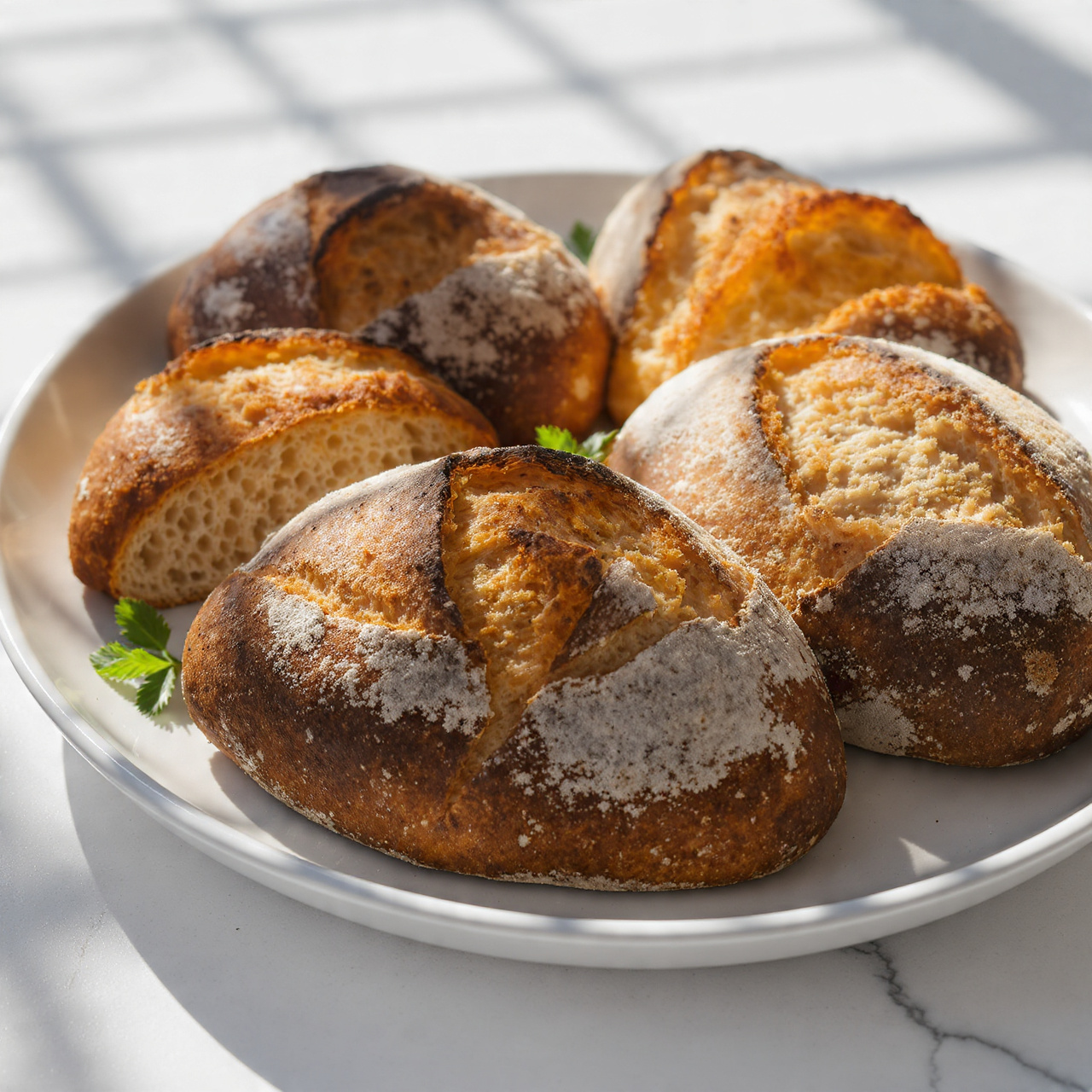
Sourdough Bread Flavors: 5 Creative Recipes to Bake Right Now
Discover the most irresistible sourdough bread flavors, from rich chocolate chip sourdough to savory specialty loaves. These creative flavored sourdough recipes will transform your home baking forever.

The Most Delicious Sourdough Bread Flavors You Can Bake at Home
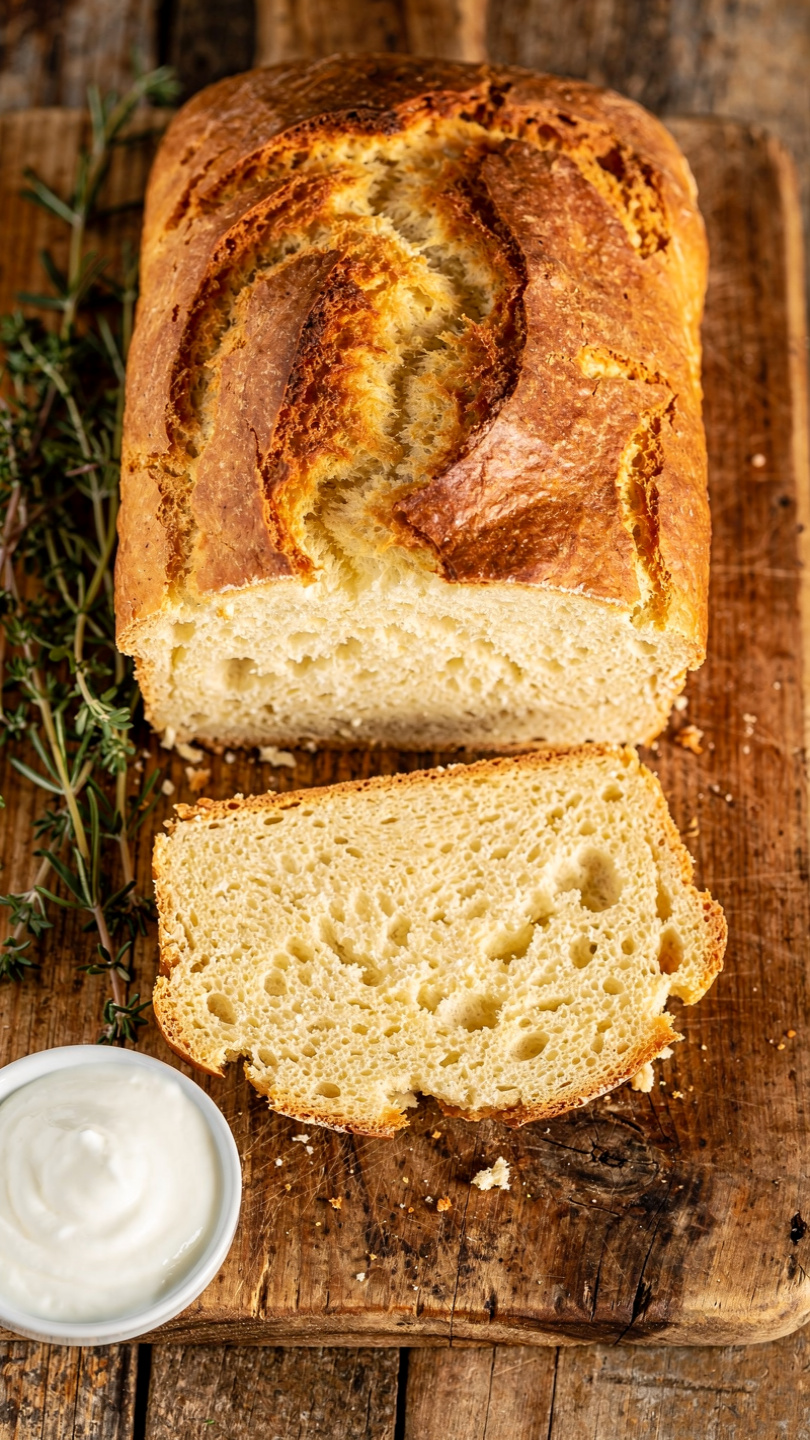
There is something almost magical about pulling a golden, crackling sourdough loaf out of a screaming-hot Dutch oven. But once you have mastered a basic sourdough, the real fun begins. Flavored sourdough bread opens up a whole world of creativity, from the indulgent richness of a chocolate chip sourdough bread recipe to the bold, savory punch of jalapeño cheddar or the warmth of roasted garlic and rosemary.
Whether you are chasing that perfect specialty sourdough bread from your local artisan bakery or you just want fresh sour dough bread ideas to keep your baking interesting, this guide covers five show-stopping variations built on one reliable, tangy base dough.
Before diving in, it helps to have a few quality tools and ingredients on hand. A well-seasoned Dutch oven is hands-down the best answer to "what to bake sourdough bread in" for achieving that bakery-style crust, and using a good bread flour with high protein content makes a noticeable difference in the chew and rise of every flavoured sourdough variation.
Why Flavored Sourdough Is Worth the Extra Step
A plain sourdough loaf is already deeply satisfying, but adding thoughtful flavors transforms it into something truly memorable. The long, cold fermentation that defines sourdough baking actually enhances mix-ins. Chocolate deepens and becomes almost fudgy. Garlic mellows into something sweet and nutty. Cheese weaves into the open crumb in the most gorgeous, stretchy way.
This is the idea behind every great flavor sourdough bread recipe: let time and fermentation do the heavy lifting while your add-ins become something greater than they were on their own.
Baker's Note: Always fold your add-ins in gently after the autolyse rest and starter incorporation. Adding them too early can interfere with gluten development, and adding them too late means uneven distribution throughout the loaf.
The 5 Flavored Sourdough Variations in This Recipe
This recipe gives you one master dough and five distinct directions to take it. Here is a quick look at each:
- Chocolate Chip Sourdough A crowd-pleasing, slightly sweet loaf studded with melty semi-sweet chocolate chips and a hint of cocoa. Think of it as the chocolate sourdough recipe that bridges the gap between bread and dessert.
- Roasted Garlic and Rosemary Deeply savory and aromatic, this is the specialty sourdough bread that disappears fastest at dinner parties. The garlic turns jammy and sweet during the long bake.
- Jalapeño Cheddar Spicy, cheesy, and utterly addictive. The sharp cheddar melts into golden pockets throughout the crumb while the jalapeño brings just enough heat.
- Cinnamon Sugar Swirl A sweet, fragrant spiral through every slice. This one makes the most incredible toast and pairs beautifully with cream cheese or cultured butter.
- Southern-Style Honey Buttermilk Inspired loosely by the Southern Sourdough Co bread recipe tradition, this variation uses a touch of honey and dried buttermilk powder for a pillowy, slightly tangy crumb with gentle sweetness.
Tips for Nailing Every Flavoured Sourdough
Before you get to the recipe card, a few key principles will set you up for success no matter which variation you choose.
Your starter is everything. A weak or sluggish starter is the number one reason a loaf falls flat. Feed it 4 to 8 hours before baking, look for it to double in size, and make sure it passes the float test (drop a small spoonful into water and see if it floats).
Cold proofing is your friend. Overnight refrigeration does two things at once: it develops a more complex, sour flavor and makes the dough firmer and easier to score. For spurdough recipes (as some bakers affectionately call their extra-active sourdough experiments), the cold retard is especially important for keeping those bold flavors balanced.
Score with confidence. A decisive, swift cut at a 30-degree angle gives the loaf room to expand dramatically in the oven. Hesitant scoring leads to a loaf that blows out unevenly on the sides.
Pro Tip: For the chocolate chip and cinnamon swirl variations, score a simple single slash rather than a decorative pattern. The sugar content can cause elaborate scores to seal back shut in the oven heat.
What to Bake Sourdough Bread In
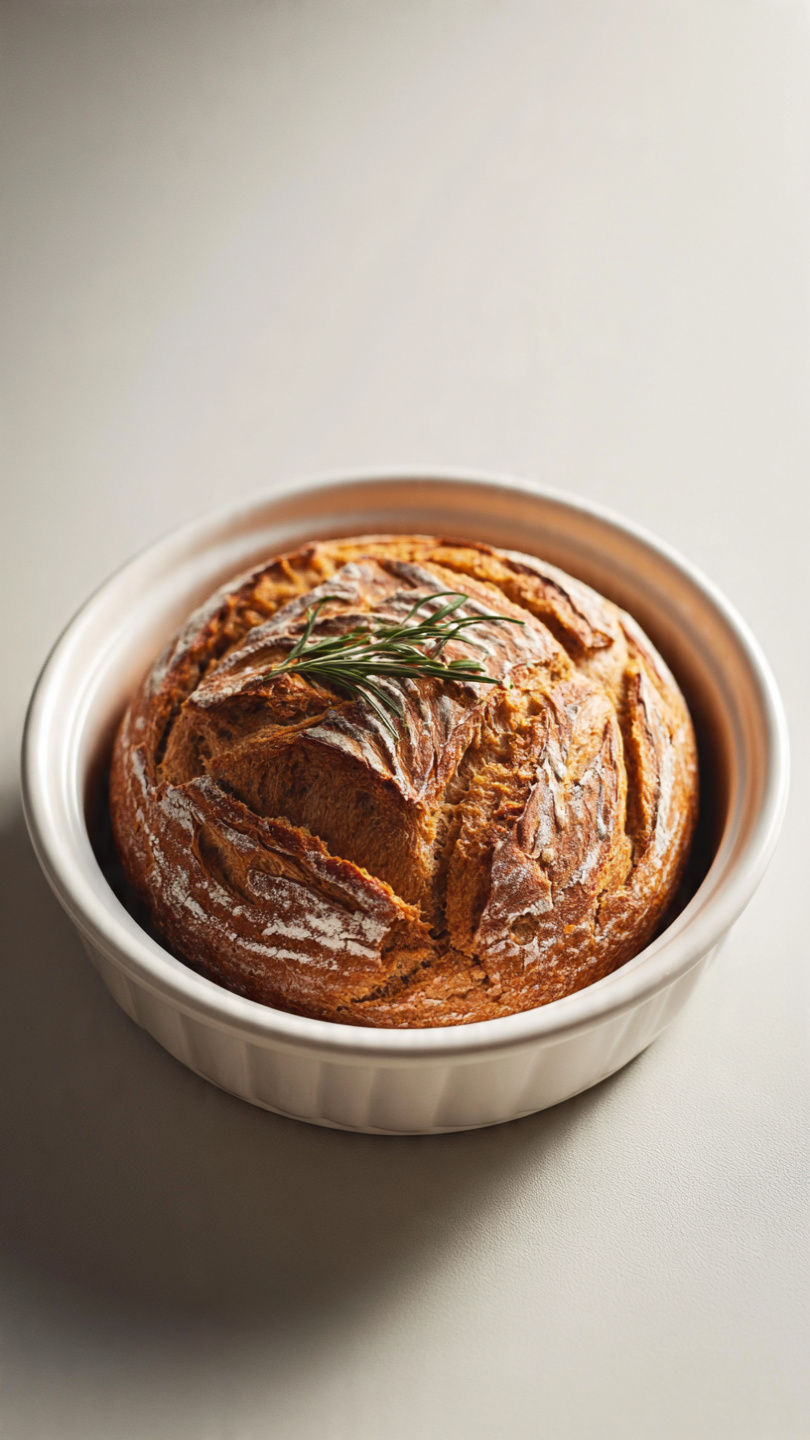
If you are new to sourdough, the equipment question comes up constantly. A 5 to 7 quart Dutch oven with a tight-fitting lid is the gold standard. It traps steam from the dough during the first 20 minutes of baking, which keeps the crust pliable long enough for maximum oven spring. After removing the lid, the dry heat creates that deeply caramelized, crackly crust.
No Dutch oven? No problem. A covered cast iron skillet, a clay baker, or even a deep roasting pan with a foil tent and a pan of boiling water on the rack below will all get you there.
Ready to bake? Here is the full recipe with all five variations built right in:
Sourdough Bread Flavors: 5 Creative Recipes to Bake Right Now
Discover the most irresistible sourdough bread flavors, from rich chocolate chip sourdough to savory specialty loaves. These creative flavored sourdough recipes will transform your home baking forever.
Ingredients
- 4 cups bread flour, plus extra for dusting
- 3/4 cup active sourdough starter, fed and bubbly, at peak activity
- 1 1/4 cups warm water, around 80 degrees F
- 2 tsp fine sea salt
- 3/4 cup semi-sweet chocolate chips, for chocolate chip variation
- 2 tbsp unsweetened cocoa powder, for chocolate sourdough variation
- 2 tbsp granulated sugar, for sweet variations only
- 6 roasted garlic cloves, smashed, for savory variation
- 2 tbsp fresh rosemary, finely chopped, for herb variation
- 3/4 cup shredded sharp cheddar, for cheesy jalapeño variation
- 1/4 cup pickled jalapeños, drained and roughly chopped, for cheesy jalapeño variation
- 2 tbsp cinnamon sugar, for sweet swirl variation, mixed 2:1 sugar to cinnamon
- 2 tbsp unsalted butter, softened, for greasing the dutch oven or pan
Instruction
In a large mixing bowl, combine the bread flour and warm water. Mix until no dry flour remains, then cover and let rest for 30 minutes. This step is called autolyse and it develops gluten without any kneading.
Add the active sourdough starter and sea salt to the rested dough. Use wet hands to squeeze and fold the starter fully into the dough until evenly incorporated.
Choose your flavor add-ins now. For chocolate chip sourdough, fold in the chocolate chips and cocoa powder with the sugar. For the garlic rosemary variation, fold in roasted garlic and fresh rosemary. For jalapeño cheddar, fold in the cheese and jalapeños. For cinnamon swirl, reserve the cinnamon sugar for shaping.
Perform 4 sets of stretch-and-folds over the next 2 hours, spacing them about 30 minutes apart. After each set, cover the bowl and let the dough rest at room temperature.
After the final fold, cover the bowl tightly and let the dough bulk ferment at room temperature for 4 to 6 hours, or until it has grown by about 50 percent and looks airy and domed.
Turn the dough onto a lightly floured surface. For the cinnamon swirl variation, gently flatten the dough, sprinkle the cinnamon sugar evenly over it, then roll it up tightly before shaping. For all other variations, shape the dough into a round boule or oval batard by folding the edges toward the center and then rolling it under your palms.
Place the shaped dough seam-side up into a well-floured banneton or a bowl lined with a floured kitchen towel. Cover and refrigerate overnight, or for at least 8 hours and up to 16 hours.
When ready to bake, place a Dutch oven with its lid into the oven and preheat to 500 degrees F (260 degrees C) for at least 45 minutes.
Remove the dough from the refrigerator. Carefully turn it out onto a sheet of parchment paper and score the top with a sharp lame or razor blade at a 30-degree angle.
Using oven mitts, remove the hot Dutch oven from the oven. Lower the dough into it using the parchment paper as a sling. Put the lid on and bake for 20 minutes covered.
Remove the lid and reduce the oven temperature to 450 degrees F (232 degrees C). Continue baking for 20 to 25 minutes more until the crust is deeply golden and the internal temperature reads at least 205 degrees F (96 degrees C).
Transfer the loaf to a wire rack and let it cool for at least 1 hour before slicing. Cutting too soon will give you a gummy interior.
Equipment
- Large mixing bowl
- Dutch oven (5 to 7 quart)
- Banneton proofing basket or bowl with kitchen towel
- Bench scraper
- Bread lame or sharp razor blade
- Parchment paper
- Instant-read thermometer
- Wire cooling rack
- Kitchen scale (recommended)
Notes
Serving, Storing, and Mixing It Up
Once your loaf has cooled for at least an hour (patience is truly the hardest part), slice into it and enjoy the fruits of your work. Here are a few serving ideas to make the most of each flavor:
- Chocolate chip sourdough is incredible toasted with a smear of salted butter or a drizzle of warm peanut butter.
- Jalapeño cheddar makes the best grilled cheese sandwich you will ever eat, no additional cheese required.
- Roasted garlic rosemary is a natural companion to olive oil and balsamic for dipping, or sliced alongside a hearty pasta dinner.
- Cinnamon swirl shines brightest as French toast the next morning.
- Honey buttermilk is the one to pull out when you want a loaf that feels special enough to gift.
For storage, wrap cooled loaves in a clean kitchen towel and keep at room temperature for up to 3 days. Slice and freeze anything you will not finish within that window. These sourdough bread ideas are just as good reheated from frozen as they are fresh from the oven.