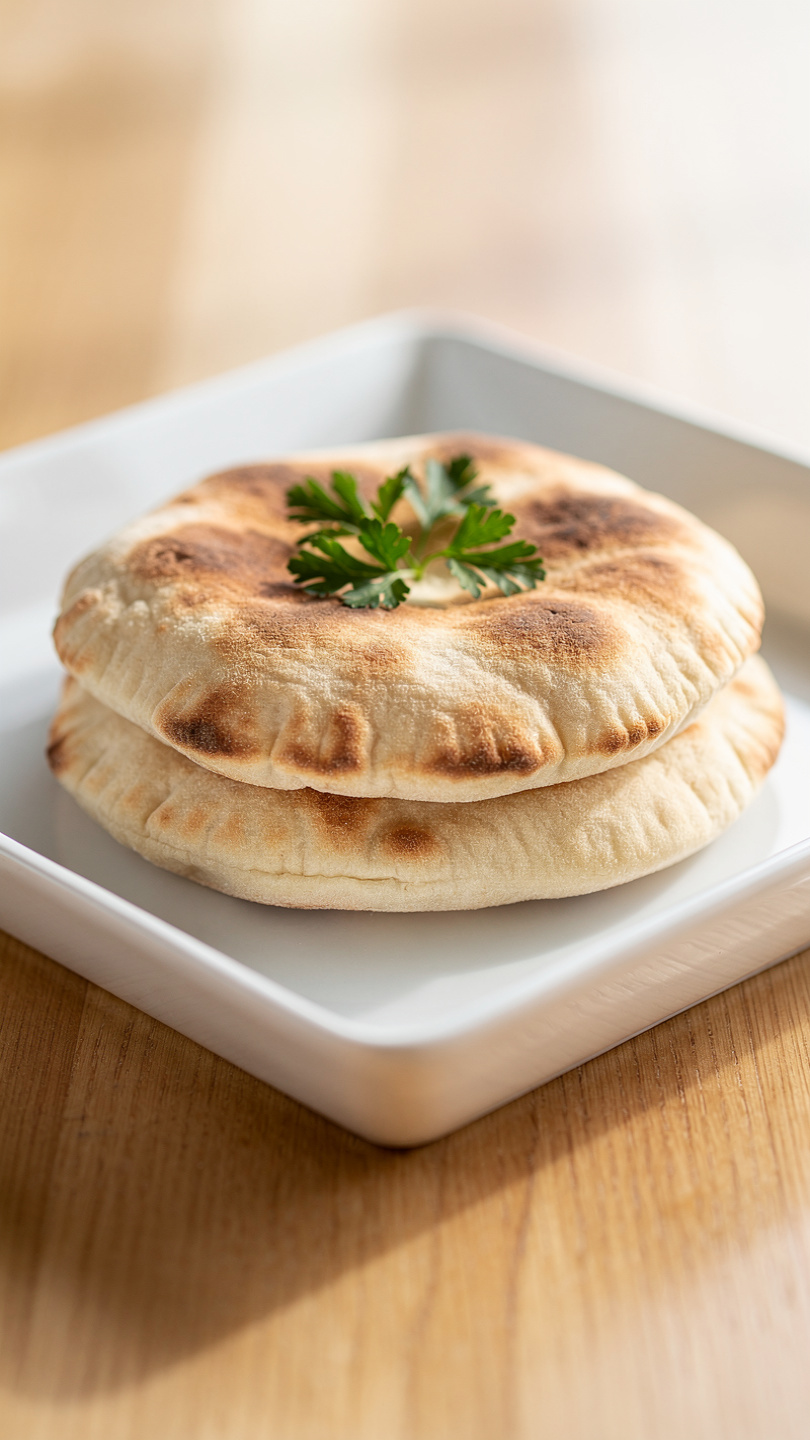
Sourdough Pita Bread (Easy Sourdough Discard Recipe)
Fluffy, pillowy sourdough pita bread made with sourdough discard for incredible tangy flavor. This easy beginner sourdough recipe comes together in under an hour with simple pantry ingredients.

The Easiest Sourdough Discard Pita Bread You Will Ever Make
If you have a jar of sourdough discard sitting in your fridge and no idea what to do with it, this recipe is your answer. These sourdough pita breads are soft, slightly tangy, and wonderfully pillowy, and they come together so quickly that you will wonder why you ever bought the packaged kind. This is genuinely one of the best easy beginner sourdough bread projects you can tackle because the results are spectacular and the process is forgiving.
Whether you call it a pita bread sourdough discard recipe or just "what I make on weeknights when I want something impressive with minimal effort," this one deserves a permanent spot in your rotation.
Why Sourdough Discard Makes the Best Pita Bread
Regular pita bread is already delicious. But pita bread made with sourdough discard is on another level entirely. The discard adds a gentle, complex tang that you just cannot get from plain yeast dough. It also contributes to a slightly chewier, more satisfying texture without making the bread dense or gummy.
The best part? You are not wasting that discard. This is one of those simple sourdough discard recipe easy enough for a Tuesday night, yet impressive enough to bring to a dinner party. Think of it as your starter pulling double duty.
Chef's Tip: Your discard does not need to be freshly fed for this recipe. Discard that has been sitting in the fridge for up to two weeks works perfectly here. Just bring it to room temperature before mixing.
What You Need to Know Before You Start
This is not a long-fermentation sourdough loaf. You are not waiting overnight. This sourdough discard pita bread recipe uses a small amount of instant yeast alongside the discard, which means the dough is ready to roll out in about 45 minutes. That combination of commercial yeast and wild yeast flavor is the secret to a quick sourdough discard pita bread that still tastes deeply developed.
Here is what makes this recipe especially beginner-friendly:
- No Dutch oven required. A cast iron skillet is all you need.
- No scoring, no steam injection, no bread thermometer. The pitas tell you they are ready by puffing up like little balloons.
- The dough is very forgiving. A little too sticky? Add flour. A little too dry? A splash of water fixes it.
Having the right tools on hand makes a real difference when you are working with soft flatbread dough. A good cast iron skillet holds heat evenly for that dramatic puff, and a sturdy rolling pin keeps your rounds uniform.
The Secret to Pita Bread That Actually Puffs
Every new pita baker asks the same question: why won't mine puff? There are really only two reasons this happens.
First, the pan. Your cast iron or heavy-bottomed skillet needs to be genuinely hot before the first pita goes in. We are talking 3 to 4 full minutes of preheating over medium-high heat. A lukewarm pan steams the dough instead of shocking it into puffing, and you end up with flat, dense rounds.
Second, the thickness. Roll your pitas to a fairly even quarter-inch thickness. If one side is thicker than the other, the steam cannot build up uniformly inside and the pita puffs unevenly or not at all.
That's really it. Nail those two things and you will get that satisfying, dramatic balloon puff every single time.
Chef's Tip: As soon as each pita comes off the pan, tuck it inside a folded kitchen towel. The trapped steam keeps them soft and pliable for hours. Leaving them exposed on a wire rack makes them dry out quickly.
Tips for the Best Easy Beginner Sourdough Bread Experience
If this is your first time working with sourdough discard in a cooked dough, here are a few things worth knowing:
- Room temperature discard mixes in more easily than cold discard straight from the fridge. Set it out 30 to 60 minutes before you plan to start.
- Do not skip the rest after kneading. Even 30 minutes of rest allows the gluten to relax, making rolling so much easier.
- Weigh your portions if you want evenly sized pitas. A simple kitchen scale makes dividing the dough into 8 equal pieces effortless.
- Work in batches and keep uncooked rounds covered with a damp towel so they do not dry out while you cook the others.
Ready to make the best sourdough pita bread of your life? Here is the full step-by-step recipe:
Sourdough Pita Bread (Easy Sourdough Discard Recipe)
Fluffy, pillowy sourdough pita bread made with sourdough discard for incredible tangy flavor. This easy beginner sourdough recipe comes together in under an hour with simple pantry ingredients.
Ingredients
- 2 1/2 cups all-purpose flour, plus more for dusting
- 1/2 cup sourdough discard, unfed, room temperature
- 1/2 cup warm water, around 100 to 110 degrees F
- 1 tsp instant yeast, or active dry yeast
- 2 tbsp olive oil, extra virgin
- 1 tsp salt, fine sea salt or kosher salt
- 1 tsp honey, or granulated sugar
Instruction
In a small bowl or measuring cup, combine the warm water, honey, and instant yeast. Stir gently and let it sit for 5 minutes until slightly foamy.
In a large mixing bowl, whisk together the flour and salt. Make a well in the center and pour in the sourdough discard, olive oil, and the yeast mixture.
Mix with a wooden spoon or dough scraper until a shaggy dough forms, then turn out onto a lightly floured surface.
Knead the dough for 6 to 8 minutes until it is smooth, elastic, and just slightly tacky. If the dough feels sticky, add flour one tablespoon at a time.
Form the dough into a ball, place it in a lightly oiled bowl, and cover with plastic wrap or a damp kitchen towel. Let it rest at room temperature for 30 to 45 minutes until slightly puffed.
Divide the dough into 8 equal portions and roll each piece into a smooth ball. Cover and rest for 5 minutes.
On a lightly floured surface, roll each ball into a round about 6 to 7 inches wide and roughly 0.25 inch thick. Try to keep the thickness even for the best puff.
Heat a cast iron skillet or heavy-bottomed pan over medium-high heat until very hot. You want it dry with no oil.
Cook each pita for 1 to 2 minutes on the first side until large bubbles form and the bottom develops golden spots. Flip and cook for another 1 to 2 minutes. The pita should puff dramatically in the center.
Remove from the pan and immediately wrap in a clean kitchen towel to keep the pitas soft and pliable. Repeat with the remaining dough rounds.
Serve warm with your favorite dips, fillings, or alongside a fresh salad.
Equipment
- Large mixing bowl
- Cast iron skillet or heavy-bottomed pan
- Rolling pin
- Kitchen towel
- Bench scraper or knife
- Measuring cups and spoons
Notes
How to Serve Sourdough Pita Bread
Fresh off the skillet, these pitas are practically irresistible on their own. But here are some of our favorite ways to serve them:
- Stuffed with grilled chicken, fresh vegetables, and a drizzle of tahini sauce
- Alongside a bowl of hummus, baba ganoush, or tzatziki for easy appetizers
- Torn into pieces and served with a hearty soup or stew in place of regular bread
- As a base for a quick flatbread pizza with whatever toppings you have on hand
This easy quick sourdough discard recipe works beautifully for meal prep too. Make a double batch on Sunday, freeze half, and you have fresh-tasting pita bread ready to reheat all week long. Once you try homemade, the store-bought version simply will not cut it anymore.