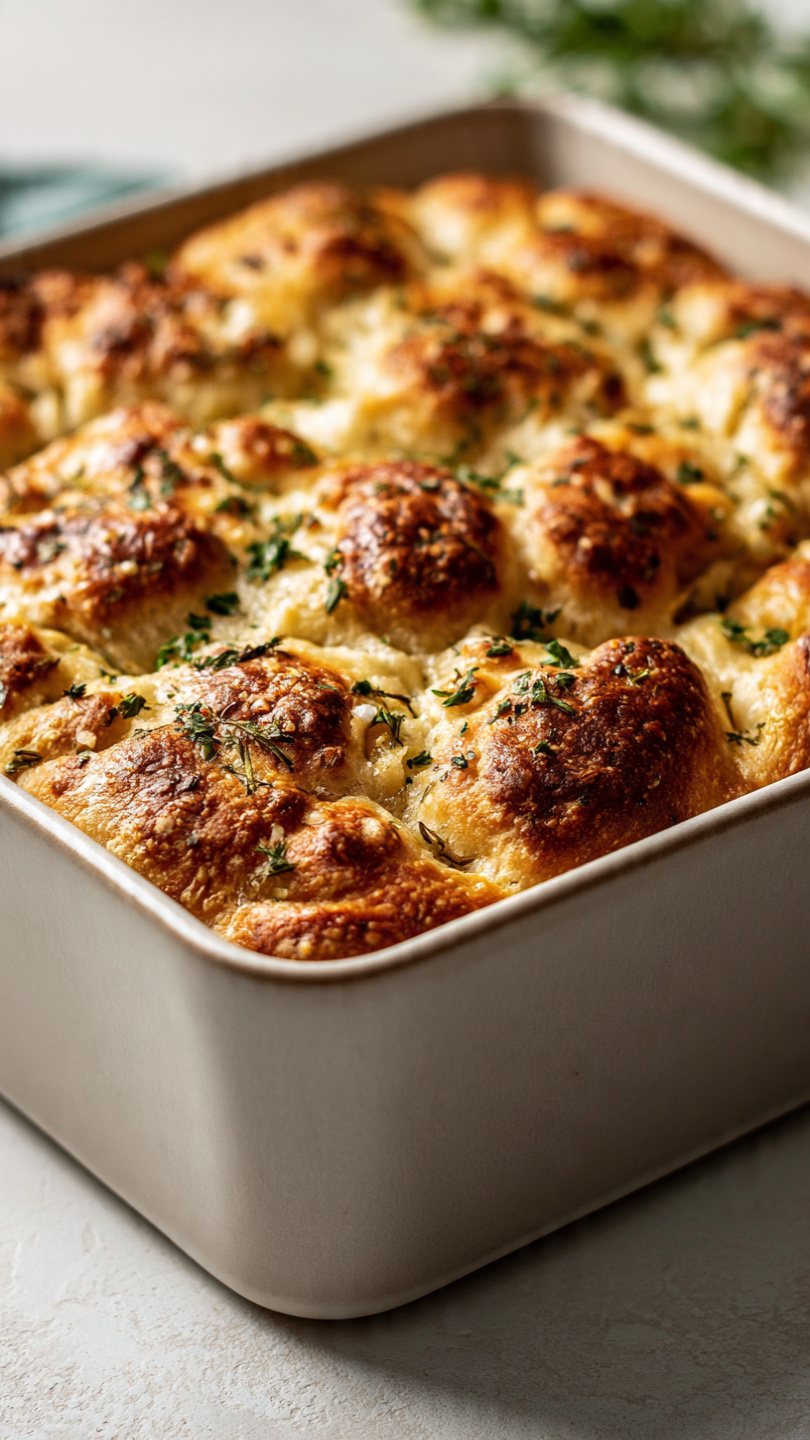
Sourdough Focaccia Bread (Crispy, Airy, and Incredibly Easy)
This sourdough focaccia bread recipe delivers a golden, olive-oil-kissed crust with a pillowy, open crumb that only a live starter can create. Whether you go the overnight route or same-day, this is the easiest sourdough focaccia you will ever make.

The Only Sourdough Focaccia Recipe You Will Ever Need
If you have a sourdough starter sitting on your counter and you have not yet made sourdough focaccia, today is the day everything changes. This bread is the most forgiving, most rewarding, most downright delicious thing your starter can produce. It is crispy on the bottom, impossibly fluffy and airy on the inside, pooled with golden olive oil, and dimpled with rosemary and flaky salt. It is the kind of bread people tear apart at the table before dinner is even ready.
Whether you are following a sourdough focaccia overnight method for maximum flavor or a same-day sourdough focaccia approach because dinner is in six hours, this easy sourdough focaccia bread recipe has you fully covered. No Dutch oven, no scoring, no shaping anxiety. Just mix, fold, proof, and bake.
Why Sourdough Makes the Best Focaccia
You might wonder why you would bother with a focaccia sourdough recipe when commercial yeast versions exist. The answer is flavor and texture. A live sourdough starter brings a slow, complex fermentation that commercial yeast simply cannot replicate. You get a gentle tang, a more deeply flavored crumb, and a crust that crackles and shatters rather than just bending.
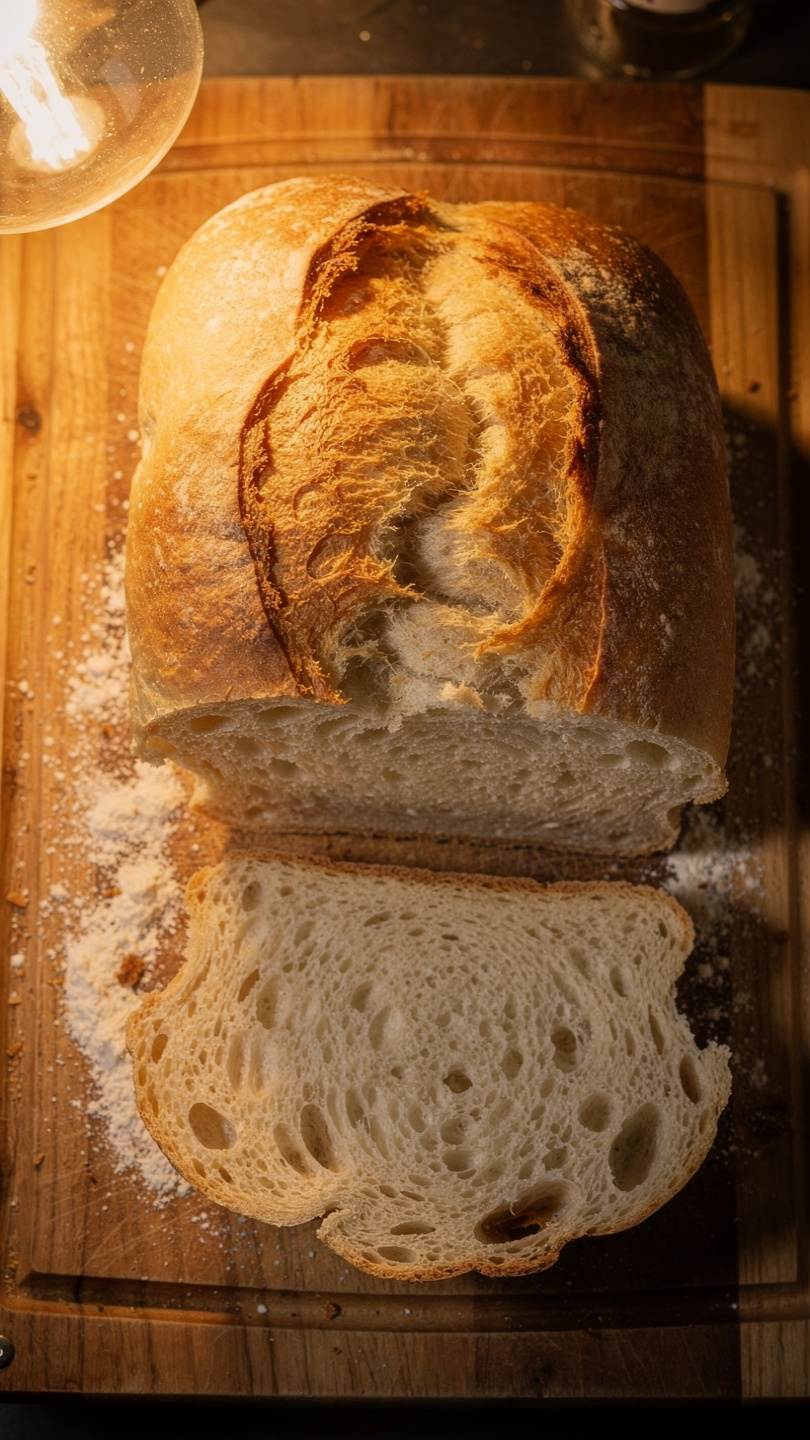
Focaccia with sourdough starter is also wonderfully forgiving. Because the dough is so high in hydration, it loves to spread and fill its pan without any fussy shaping. The gluten is strong enough to trap all those fermentation bubbles, giving you that signature open crumb that looks like it belongs in a bakery window.
Chef's Tip: The single most important variable in this recipe is your starter. It should be fed 4 to 8 hours before you mix the dough and at absolute peak activity: domed on top, full of bubbles, and it should float if you drop a small spoonful in water.
Overnight vs. Same-Day: Which Should You Choose?
Both paths lead to incredible focaccia, but they suit different schedules and flavor preferences.
Sourdough Focaccia Overnight is the method to choose when you want the most complex, tangy, bakery-worthy flavor. You mix the dough in the evening, do your stretch-and-folds, then let the whole bowl cold-ferment in the refrigerator overnight. The next morning, you pan it, dimple it, and bake. The cold retard slows fermentation beautifully and builds flavor compounds that simply do not exist in a fast rise.
Sourdough Focaccia Same Day is the path to take when you want fresh, hot focaccia on the table tonight. With an active starter and a warm kitchen, you can go from mixing bowl to oven in about 6 to 7 hours. The flavor will be milder and sweeter, but the texture will still be gorgeous.
For beginners trying to learn how to make sourdough focaccia, the overnight method is actually easier because the cold dough is less sticky and more manageable when you transfer it to the pan.
Tools and Ingredients That Make a Real Difference
For focaccia, the pan is everything. A heavy-gauge rimmed aluminum baking pan conducts heat evenly and gives you that crispy, golden bottom that sets great focaccia apart from merely good focaccia. Thin, dark pans can cause uneven browning and burning. A kitchen scale is also genuinely worth using here since sourdough baking by weight is far more consistent than cups.
On the ingredient side, do not skimp on your olive oil. This is not a recipe where you use the bottle that has been in the cabinet for two years. A good, fruity extra virgin olive oil is a primary flavor in this bread. You taste it in every single bite.
How to Dimple Focaccia Like a Pro
The dimpling step is iconic, and it matters more than it might seem. Those deep finger-poke indentations do three things: they spread the dough to fill the pan, they create little pools where olive oil, rosemary, and salt collect and get slightly crispy, and they release large gas bubbles so the interior stays open and airy rather than tunneled.
Use well-oiled fingertips and press firmly, all the way to the bottom of the pan. Do not be timid. If the dough springs back immediately and will not stay dimpled, cover it and walk away for 10 more minutes. The gluten just needs a little more time to relax.
Chef's Tip: Right before the focaccia goes into the oven, do one final round of dimples and add one more thin drizzle of olive oil. Those last-minute pools of oil are what give you that iconic blistered, golden-brown surface.
Topping Ideas Beyond Rosemary
Classic rosemary and flaky salt is a masterpiece for a reason, but focaccia is also an incredible canvas. Here are a few variations worth trying once you have the base recipe down:
- Cherry tomatoes and basil pressed halfway into the dough before baking
- Caramelized onions and thyme scattered over the surface
- Sliced olives and sun-dried tomatoes for a Mediterranean twist
- Thinly sliced red grapes and gorgonzola for a stunning sweet-savory version
- Everything bagel seasoning for a fun American-inspired take
The dough itself is neutral and slightly tangy, so it plays beautifully with both bold and delicate toppings.
Ready to bake? Here is the full step-by-step recipe for perfect sourdough focaccia:
Sourdough Focaccia Bread (Crispy, Airy, and Incredibly Easy)
This sourdough focaccia bread recipe delivers a golden, olive-oil-kissed crust with a pillowy, open crumb that only a live starter can create. Whether you go the overnight route or same-day, this is the easiest sourdough focaccia you will ever make.
Ingredients
- 4 cups bread flour, plus more for dusting
- 1/2 cup active sourdough starter, fed and bubbly, at peak activity
- 1 1/2 cups warm water, around 80 to 85 degrees F
- 2 tsp fine sea salt
- 6 tbsp extra virgin olive oil, divided, use a good-quality fruity oil
- 1 tsp flaky sea salt, for topping, such as Maldon
- 3 fresh rosemary sprigs, leaves stripped, roughly chopped
- 3 garlic cloves, thinly sliced, optional
Instruction
In a large bowl, combine the active sourdough starter and warm water. Stir until the starter is fully dissolved and the mixture looks milky.
Add the bread flour and fine sea salt. Mix with your hands or a sturdy spatula until no dry flour remains and a shaggy dough forms. It will look rough and sticky. That is completely normal.
Drizzle 1 tablespoon of olive oil over the dough and turn it in the bowl to coat. Cover the bowl tightly with plastic wrap or a damp kitchen towel.
Perform 3 sets of stretch-and-folds over the first 1.5 hours: every 30 minutes, wet your hand, grab one side of the dough, stretch it upward, and fold it over the center. Rotate the bowl 90 degrees and repeat 4 times per set.
For overnight focaccia: After the stretch-and-folds, cover the bowl and refrigerate for 12 to 18 hours. For same-day focaccia: Continue bulk fermentation at room temperature (75 to 78 degrees F) for a total of 4 to 6 hours until the dough is roughly doubled and very bubbly.
Pour 3 tablespoons of olive oil into a 9x13-inch rimmed baking pan. Transfer the dough into the pan and gently turn it to coat all sides in oil. Let it rest uncovered for 30 minutes at room temperature.
Using well-oiled fingertips, dimple the dough assertively all over, pressing all the way down to the bottom of the pan. Stretch it gently to fill the pan as you dimple. If it springs back stubbornly, rest it 10 more minutes and try again.
Drizzle the remaining 2 tablespoons of olive oil over the surface. Scatter the rosemary, sliced garlic (if using), and flaky sea salt generously over the top.
Let the dimpled dough proof uncovered at room temperature for 45 minutes to 1 hour until it looks puffy and the dimples have relaxed slightly.
Meanwhile, preheat your oven to 450 degrees F (230 degrees C) with a rack in the center.
Bake the focaccia for 25 to 30 minutes until the top is deeply golden brown and the underside is crisp. Check the bottom by lifting one corner with a spatula. It should be a rich golden color.
Remove from the oven and immediately drizzle any remaining olive oil from the pan back over the top. Transfer the focaccia to a wire rack and let it cool for at least 15 minutes before slicing and serving.
Equipment
- Large mixing bowl
- 9x13-inch rimmed baking pan
- Plastic wrap or damp kitchen towel
- Wire cooling rack
- Spatula
- Kitchen scale (highly recommended)
Notes
Serving, Storing, and Using Leftover Focaccia
Fresh from the oven, sourdough focaccia needs nothing more than a few extra drops of olive oil and maybe a sprinkle of extra flaky salt. It is glorious on its own. That said, it also makes extraordinary sandwiches the next day. Slice it horizontally, layer in fresh mozzarella, prosciutto, and arugula, and you have a lunch that will make your coworkers jealous.
For storing, wrap cooled focaccia in foil and keep it at room temperature for up to 2 days. To revive it, 5 to 8 minutes in a 375 degree F oven brings the crust right back to life. For longer storage, slice and freeze. The frozen slices reheat beautifully straight from the freezer in about 10 to 12 minutes at 375 degrees F.
This is truly one of the most rewarding sourdough recipes you can add to your rotation, and once you make it the first time, you will find excuses to make it every single week.