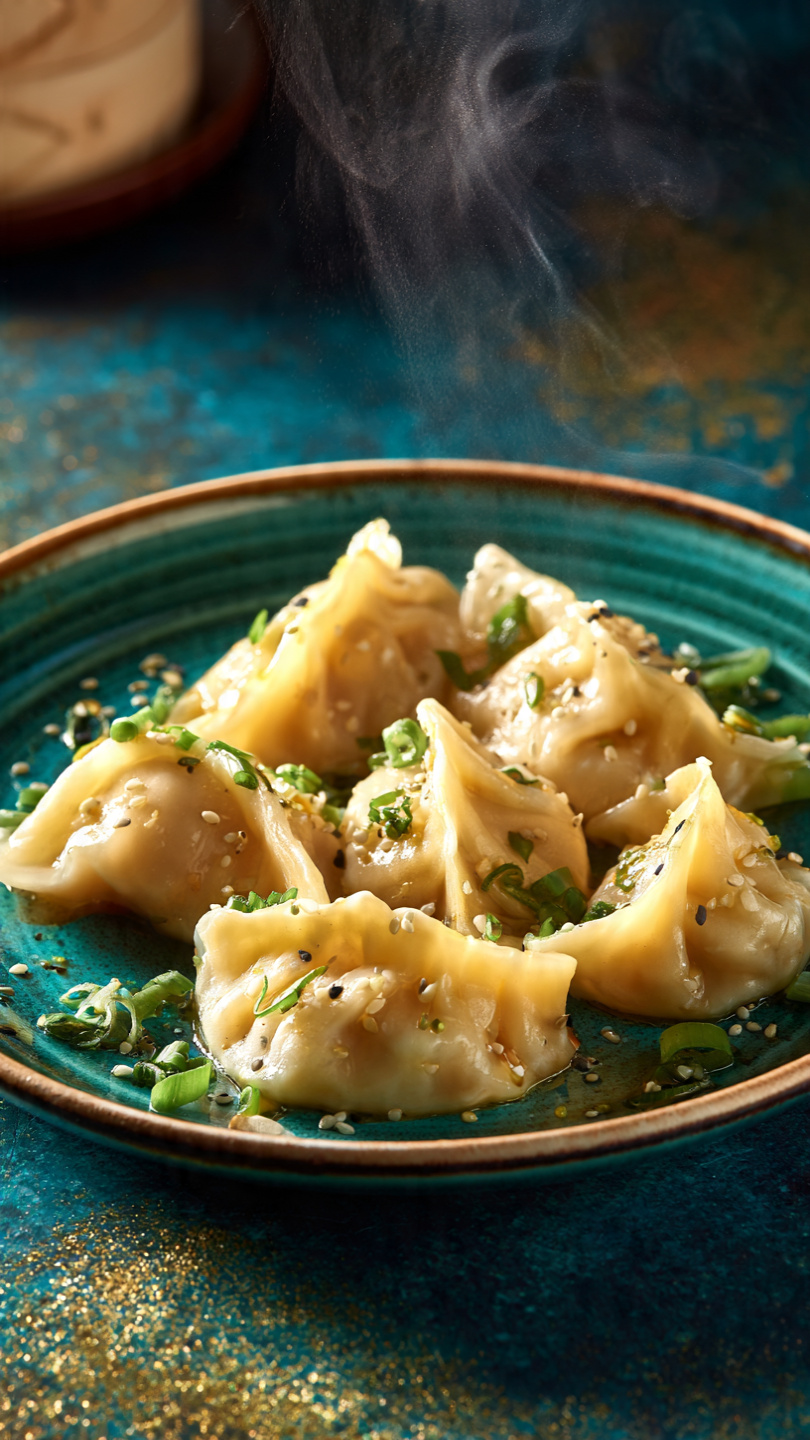
Steamed Shrimp Dumplings (Har Gow)
These homemade steamed shrimp dumplings deliver the delicate, translucent wrapper and juicy shrimp filling of your favorite dim sum restaurant, made right in your own kitchen in under an hour.

The Dim Sum Dumpling You Can Finally Make at Home
If you have ever sat at a dim sum table and reached for the steamer basket of har gow before anything else, you already know what makes steamed shrimp dumplings so special. That delicate, paper-thin wrapper. The pearlescent sheen. The way it stretches just enough to reveal the plump, pink shrimp packed inside. For a long time, har gow felt like restaurant magic, something best left to the professionals rolling hundreds of them before sunrise.
But here is the truth: with the right technique and a couple of specialty ingredients, you can absolutely make them at home. And once you do, you will never look at a dim sum menu the same way again. This recipe walks you through every step, from building the ideal shrimp filling to pressing and pleating those gorgeous wrappers from scratch.
Getting the wrapper right starts with using the correct starch. A well-seasoned bamboo steamer also makes a real difference in producing even, gentle steam without waterlogging your dumplings. These are the tools and pantry staples that genuinely elevate this recipe from good to unforgettable:
What Makes Har Gow Different From Other Dumplings
Most dumpling recipes rely on regular wheat flour, which produces that familiar chewy, opaque wrapper you find on potstickers or wontons. Har gow is a completely different animal. The wrapper is made from wheat starch, which is wheat flour with the protein (gluten) removed. The result is a dough that is more delicate, slightly slippery, and turns beautifully translucent when steamed.
This is also what makes har gow a wonderful choice as a healthy food dish. The filling is pure shrimp, lightly seasoned, with minimal fat and no heavy sauce muddying things up. It is bright, clean, and deeply satisfying without weighing you down.
Chef's Tip: Do not skip drying your shrimp thoroughly before mixing the filling. Excess moisture is the enemy of that tight, springy texture. Pat them dry, then let them sit on a paper towel for a few minutes.
The Secret to a Perfect Shrimp Filling
Professional dim sum chefs use a clever two-texture technique for the filling, and it is worth copying. Roughly chop or lightly smash two-thirds of your shrimp into a coarse paste. Leave the remaining third in small but recognizable chunks. When combined, you get a filling that holds together beautifully while still delivering satisfying bites of actual shrimp rather than a uniform paste.
Bamboo shoots add a subtle crunch that is traditional in Chinese cooking recipes for har gow. They are mild enough not to compete with the shrimp, but they contribute an important textural contrast. If you cannot find them, finely diced water chestnuts are a perfect stand-in and equally common in Asian cooking.
Stirring the filling vigorously in a single direction activates the proteins in the shrimp slightly, helping everything bind together. Think of it less like mixing a salad and more like kneading bread. A minute of focused stirring, then into the fridge it goes.
Quick Cooking Tip: Chill the Filling First
Refrigerating the filling for at least 20 minutes does two things. It firms it up so it is easier to portion cleanly onto each wrapper, and it allows the flavors from the ginger, soy, and sesame to meld properly. This is one of those quick cooking recipes tricks that takes almost no effort and makes a noticeable difference.
Pleating 101: You Do Not Need to Be Perfect
The iconic har gow pleat looks intimidating, but it is genuinely forgiving once you try it a couple of times. The goal is 5 to 7 small folds along one side of the sealed edge. You are essentially creating a little fan that gets pressed against the flat back of the wrapper. Even if your pleats are uneven, the dumpling will taste exactly the same.
If pleating feels like too much for a first attempt, a simple half-moon fold with a firmly crimped edge works just fine. What matters most is that the seal is tight enough to hold the filling during steaming. Press each pleat firmly and with intention.
Chef's Tip: Keep your dough covered with plastic wrap at all times while you work. Wheat starch dough dries out incredibly fast, and a dry edge will crack and refuse to seal properly.
Ready to bring it all together? Here is the complete, step-by-step recipe card:
Steamed Shrimp Dumplings (Har Gow)
These homemade steamed shrimp dumplings deliver the delicate, translucent wrapper and juicy shrimp filling of your favorite dim sum restaurant, made right in your own kitchen in under an hour.
Ingredients
- 1 cup wheat starch, not regular flour, this is what creates the translucent wrapper
- 1/4 cup tapioca starch, divided, plus extra for dusting
- 3/4 cup boiling water, just off the boil
- 1 tsp sesame oil, for the dough
- 3/4 lb large raw shrimp, peeled, deveined, and patted very dry
- 3/8 cup bamboo shoots, canned, drained and finely minced
- 1 tsp sesame oil, for the filling
- 1 tbsp soy sauce, light soy sauce preferred
- 1 tsp cornstarch, helps bind the filling
- 1/4 tsp white pepper
- 1 tsp fresh ginger, finely grated
- 1/2 tsp sugar
- 1/4 tsp salt
- 1 tbsp chili oil or soy sauce, for dipping, optional
Instruction
Make the filling: Roughly chop two-thirds of the shrimp into a chunky paste and leave the remaining third cut into small, bite-sized pieces. Combine all the shrimp in a bowl with the bamboo shoots, soy sauce, sesame oil, cornstarch, grated ginger, sugar, salt, and white pepper. Stir vigorously in one direction for about 1 minute until the mixture becomes slightly sticky and cohesive. Cover and refrigerate for at least 20 minutes.
Make the dough: Whisk together the wheat starch and 3 tablespoons of the tapioca starch in a heatproof bowl. Pour in the boiling water all at once and stir quickly with a wooden spoon or chopsticks until a shaggy dough forms. Cover for 2 minutes to let the starches hydrate fully.
Add the remaining 1 tablespoon tapioca starch and the sesame oil to the dough. Knead it in the bowl or on a clean surface for 2 to 3 minutes until smooth, pliable, and no longer sticky. The dough should feel like soft Play-Doh. Keep it covered with plastic wrap at all times so it does not dry out.
Shape the wrappers: Lightly dust your work surface with tapioca starch. Pinch off a small piece of dough about the size of a large marble (roughly 15 g). Using a flat-bottomed glass or the flat side of a cleaver, press it into a thin, round disc about 3.5 inches in diameter. The edges should be slightly thinner than the center.
Fill the dumplings: Place about 1 heaping teaspoon of the chilled shrimp filling in the center of each wrapper. Do not overfill. Fold the wrapper over the filling to form a half-moon shape. Pinch the top center to seal, then use your fingers to create 5 to 7 small pleats along one side of the edge, pressing firmly to seal each pleat against the flat back side of the wrapper.
Prepare your steamer: Line bamboo steamer baskets with parchment paper or lightly oiled cabbage leaves to prevent sticking. Arrange the dumplings in the basket at least half an inch apart, as they will expand slightly during steaming.
Steam the dumplings: Bring 2 to 3 inches of water to a rolling boil in a wok or large pot. Set the bamboo steamer over the boiling water, making sure the water does not touch the bottom of the basket. Cover tightly and steam over high heat for 7 to 9 minutes. The wrappers will turn from white and opaque to beautifully translucent and glossy when done.
Serve immediately straight from the steamer with chili oil, light soy sauce, or your favorite dipping sauce on the side.
Equipment
- Bamboo steamer basket (2-tier recommended)
- Wok or large pot with lid
- Heatproof mixing bowl
- Flat-bottomed glass or cleaver for pressing wrappers
- Parchment paper or cabbage leaves for lining
- Plastic wrap
Notes
Serving, Storing, and Showing Off
Steamed shrimp dumplings are at their absolute peak the moment they come out of the steamer, still glossy and trembling with heat. Serve them straight from the bamboo basket for a proper dim sum recipe experience at the table, with a small dish of chili oil or light soy sauce alongside.
For a full spread inspired by Chinese cooking, pair them with pan-fried turnip cake, sticky rice wrapped in lotus leaves, and a pot of jasmine or pu-erh tea. These dumplings also sit beautifully alongside a simple cucumber salad or steamed edamame if you are leaning into the low calorie vegetables angle for a lighter meal.
Leftovers, if you have any, reheat beautifully in a steamer. Or go rogue: pan-fry them the next day in a thin film of oil until the bottoms blister and crisp into something entirely new and arguably even more exciting.