Sourdough Croissant Bread (Flaky, Buttery Sourdough Loaf)
This sourdough croissant bread combines the tangy depth of a classic sourdough loaf with the flaky, buttery layers of a croissant — no special shaping skills required. It's the ultimate pull-apart loaf you'll want to bake every single weekend.

The Sourdough Bread Recipe Idea You Did Not Know You Needed
If you have ever stood in front of a bakery case, stared at a perfectly laminated croissant loaf, and thought "I could never make that at home" this recipe is here to prove you wonderfully wrong. Sourdough croissant bread is exactly what it sounds like: a tall, pull-apart sourdough loaf built with the same buttery lamination technique that gives croissants their irresistible shatter and chew, all wrapped up in the tangy, complex flavor of a slow-fermented sourdough crescent bread.
This is not a shortcut recipe. It is a weekend project recipe, the kind that fills your kitchen with an almost embarrassingly good smell and earns you serious bragging rights at the breakfast table. And yet, it is far more forgiving than traditional croissants because you are working with a loaf pan rather than freehand shaping. No special skills, no pastry degree required.
Why This Crossaint Sourdough Loaf Works So Well
The magic here is in the layering. Standard sourdough bread gets its structure from gluten development and fermentation alone. But a sour dough croissant bread introduces a third element: lamination, the process of folding cold butter repeatedly into the dough to create hundreds of delicate, flaky layers.
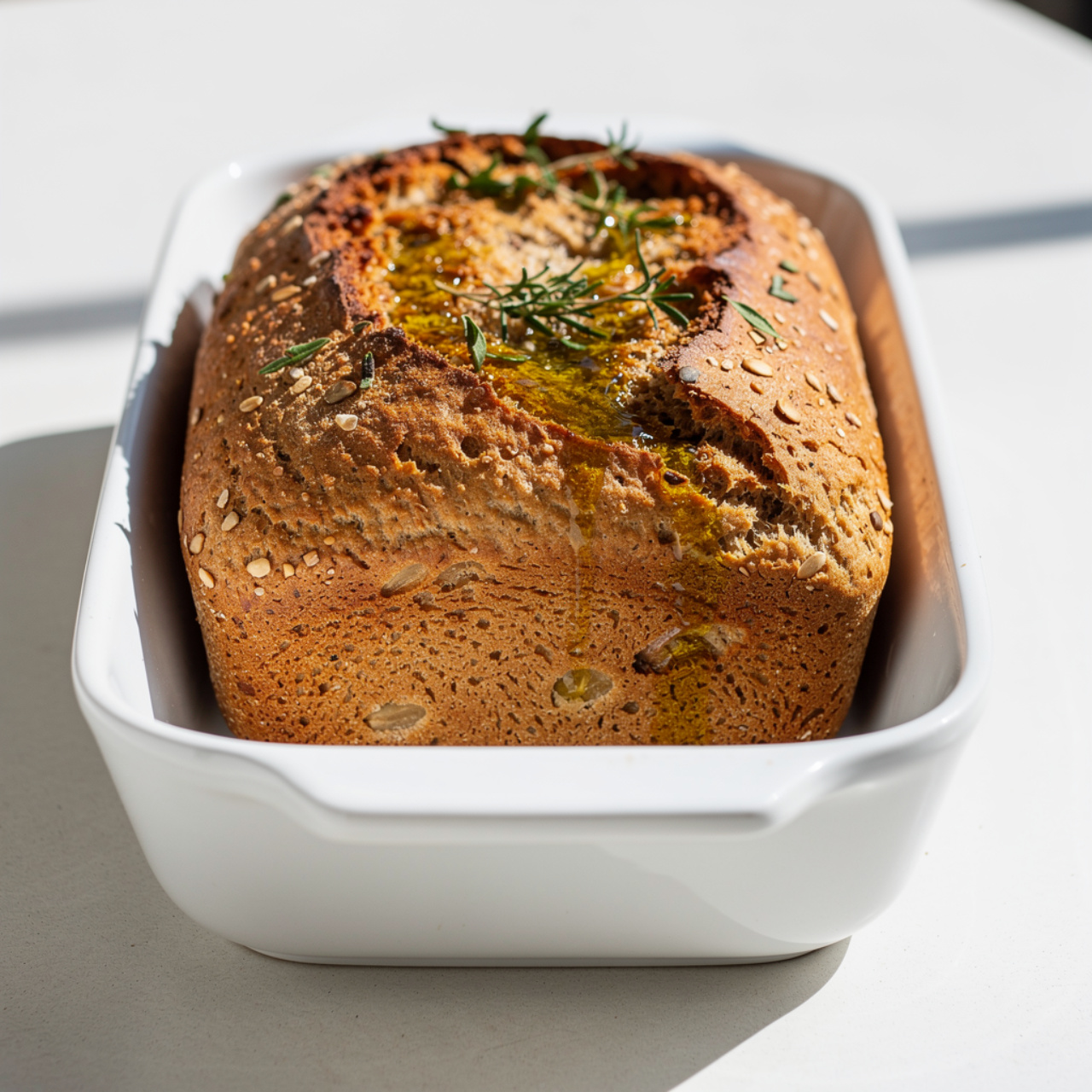
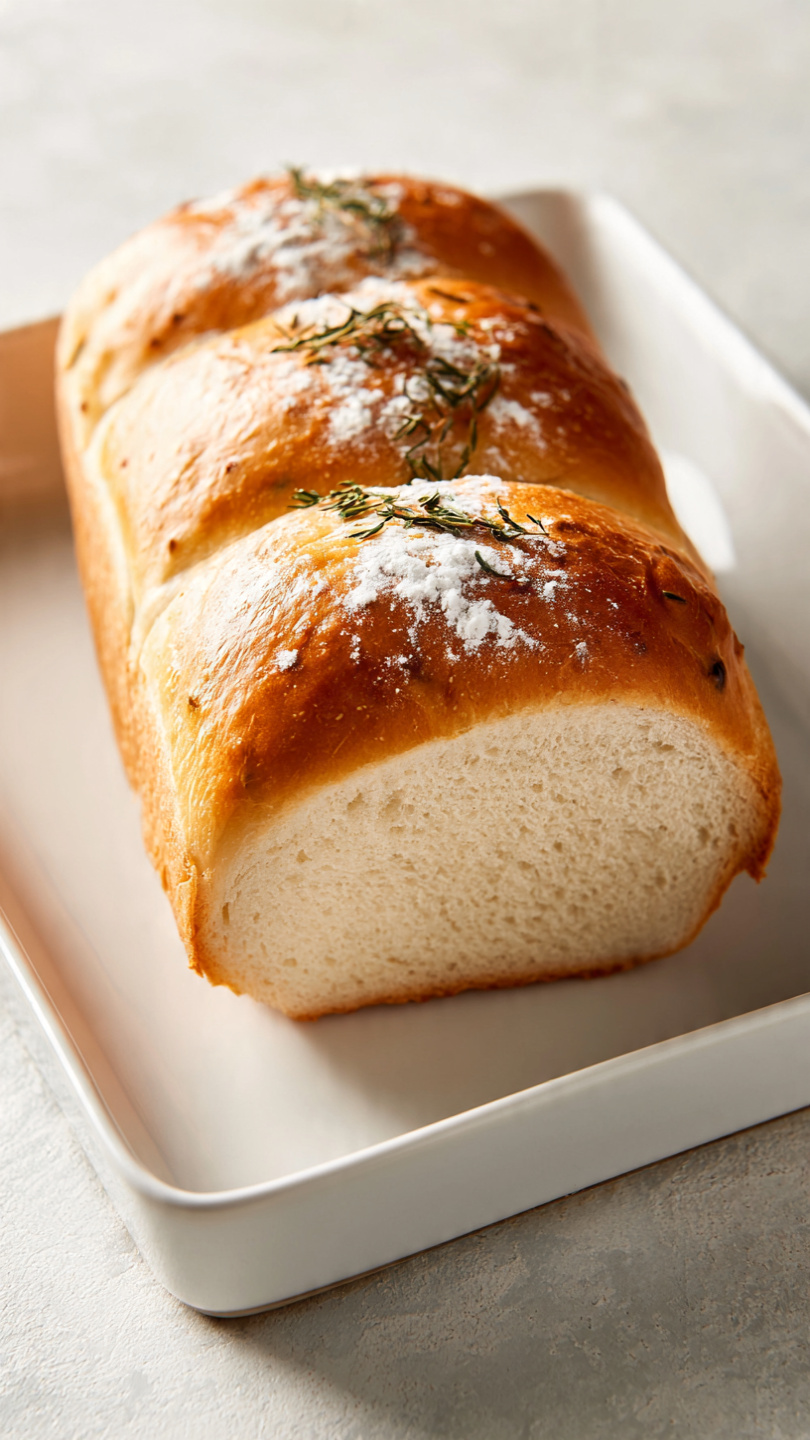
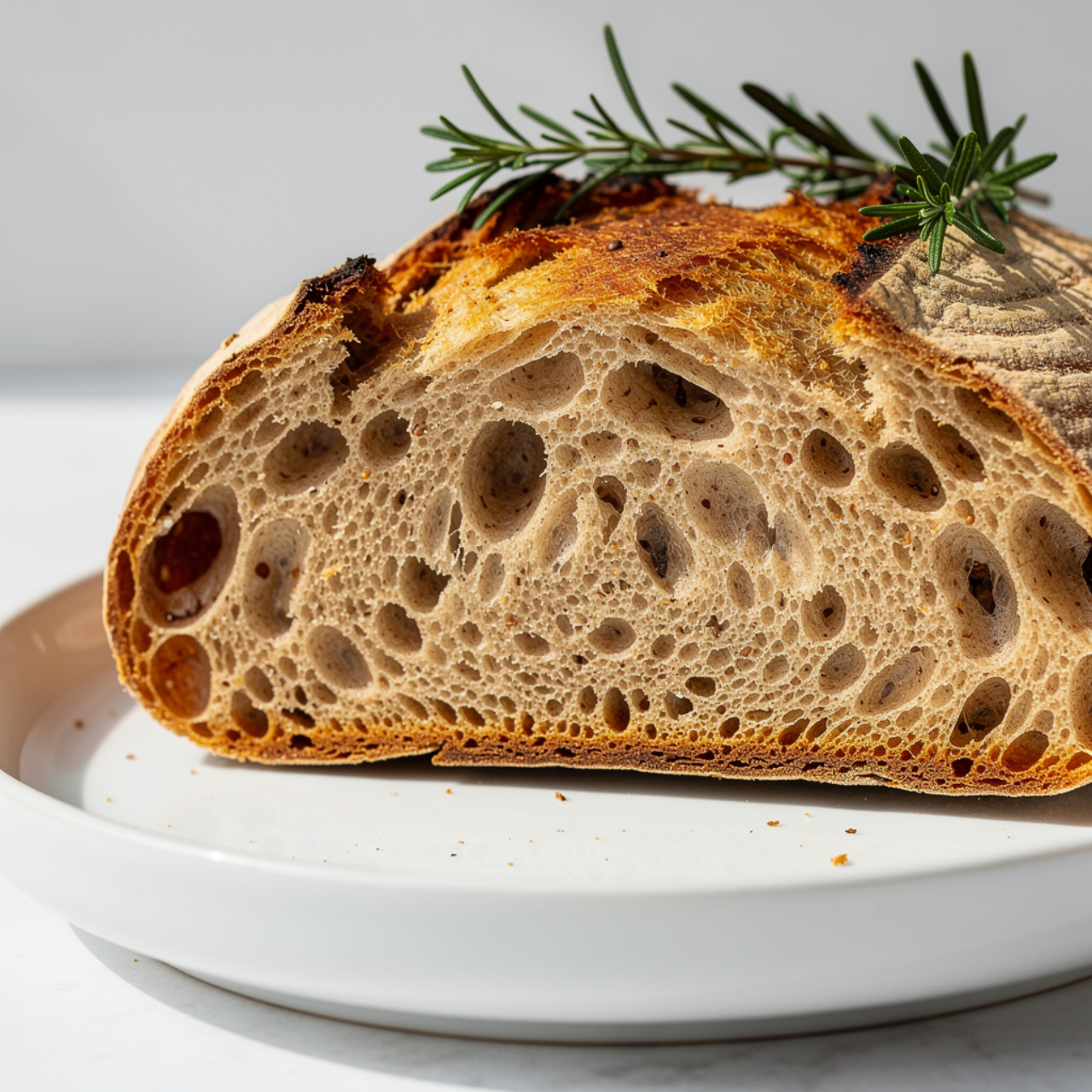
When that laminated loaf hits the oven, the water in the butter turns to steam and the layers puff apart dramatically. The outside crisps into a deep, glossy, mahogany crust. The inside opens up into a tender, almost brioche-like crumb that still carries all the complexity of a long-fermented sourdough loaf.
A few things that make this version genuinely special:
- European-style butter (higher fat content) creates more defined, dramatic layers
- Whole milk in the dough adds richness and keeps the crumb incredibly soft
- A cold overnight proof deepens the sourdough tang without any extra effort
- The loaf pan shape makes this achievable even on your very first attempt
Baker's Note: Your starter needs to be truly active and bubbly for this recipe. Feed it 4 to 6 hours before you begin, and do not start until it has clearly peaked. An underactive starter will leave you with a dense, sad loaf, and no amount of lamination can fix that.
The Right Tools Make a Real Difference
For laminated doughs especially, a reliable instant-read thermometer and a sturdy rolling pin are not optional extras they are the difference between a loaf with gorgeous open layers and one that bakes into a greasy brick. The right parchment paper and a quality 9-by-5-inch loaf pan matter here too.
Sourdough Recipe Ideas: Add-Ins and Variations
One of the best things about this recipe is how naturally it lends itself to customization. Before you roll the laminated dough into its final log shape, you have a wide-open canvas. Here are some favorite sourdough loaf add-ins and flavor directions:
Sweet variations:
- Cinnamon sugar and a drizzle of honey butter
- Brown sugar, cardamom, and orange zest
- Nutella with toasted hazelnuts (thin layer only)
Savory variations:
- Roasted garlic and fresh rosemary
- Shredded Gruyere or sharp white cheddar
- Everything bagel seasoning across the whole surface
- Sun-dried tomatoes and fresh basil
Think of this as a crossaint sourdough loaf that adapts to whatever you are craving. The base recipe is intentionally neutral and buttery, which means it plays beautifully with almost any flavor direction.
Pro Tip: Keep any add-ins in a thin, even layer. Too much filling prevents the dough from rolling tightly, which causes layers to separate and the loaf to lose its structure in the oven.
Understanding the Timeline (So Nothing Surprises You)
This is a two-day recipe in practice, and planning ahead is what makes it stress-free rather than stressful. Here is the rhythm most bakers follow:
Day 1 (evening):
- Feed your starter in the afternoon
- Mix the dough around dinnertime
- Let it bulk ferment overnight at room temperature
Day 2 (morning and afternoon):
- Prepare the butter block and laminate the dough (three folds with 30-minute rests)
- Shape into the loaf pan
- Proof for 3 to 5 hours at room temperature (or refrigerate overnight for Day 3 baking)
- Bake, cool slightly, and try very hard not to eat the whole thing immediately
This approach means you are never doing anything especially technical when you are rushed or tired. Lamination is the only step that demands your real attention, and even that just requires patience and cold butter.
A Note on Sourdough Discard
If you are drawn to this recipe partly as a sourdough discard meal, know that discard will not work as a direct substitute here. Because this loaf relies on a long fermentation with no commercial yeast, you need a genuinely active, recently fed starter to get proper rise. However, if you have discard piling up, this is a wonderful incentive to keep a healthy, active starter going so you always have what you need for projects like this one.
Ready to bake your new favorite loaf? Here is everything you need:
Sourdough Croissant Bread (Flaky, Buttery Sourdough Loaf)
This sourdough croissant bread combines the tangy depth of a classic sourdough loaf with the flaky, buttery layers of a croissant — no special shaping skills required. It's the ultimate pull-apart loaf you'll want to bake every single weekend.
Ingredients
- 3 1/2 cups bread flour, plus more for dusting
- 1/2 cup active sourdough starter, fed and at peak activity, bubbly
- 3/4 cup warm whole milk, around 95 degrees F
- 1/4 cup warm water
- 2 tbsp granulated sugar
- 1 1/2 tsp fine sea salt
- 1 large egg, room temperature
- 12 tbsp unsalted European-style butter, cold, cut into thin slabs for laminating
- 2 tbsp unsalted butter, softened, for mixing into the dough
- 1 egg, beaten with 1 tbsp milk, for egg wash
- 1/2 tsp flaky sea salt, for topping, optional
Instruction
Mix the dough: In a large bowl, combine the bread flour, sugar, and salt. In a separate bowl or measuring cup, whisk together the warm milk, warm water, active sourdough starter, and egg until smooth. Pour the wet ingredients into the dry and mix until a shaggy dough forms. Add the 2 tablespoons of softened butter and knead by hand or with a stand mixer on medium speed for 8 to 10 minutes until the dough is smooth, supple, and just slightly tacky.
Bulk ferment: Shape the dough into a ball, cover tightly with plastic wrap or a damp towel, and let it bulk ferment at room temperature (around 72 to 75 degrees F) for 8 to 12 hours, or until roughly doubled and noticeably puffy. For a more pronounced tang, refrigerate the dough for the last 4 hours of bulk fermentation.
Prepare the butter block: Place the cold 12 tablespoons of European-style butter between two sheets of parchment paper. Use a rolling pin to beat and flatten it into a roughly 6-by-6-inch square of even thickness. Refrigerate for 20 minutes until firm but still pliable, not brittle.
Laminate the dough: On a lightly floured surface, roll the bulk-fermented dough into a rectangle roughly 12 by 8 inches. Place the chilled butter block in the center. Fold the dough edges over the butter like an envelope, fully encasing it. Roll the package out gently into a long rectangle about 18 by 8 inches, then perform your first letter fold: fold the bottom third up, then the top third down over it. Wrap tightly and refrigerate for 30 minutes.
Repeat folds: Remove from the refrigerator and repeat the rolling and letter-fold process two more times, chilling for 30 minutes between each fold. After the third fold, refrigerate the dough for at least 1 hour or up to overnight.
Shape the loaf: On a lightly floured surface, roll the laminated dough into a rectangle roughly 14 by 10 inches. Starting from one of the shorter ends, roll the dough tightly into a log, just as you would a crescent roll. Pinch the seam firmly to seal. Gently place the log seam-side down into a greased 9-by-5-inch loaf pan.
Final proof: Cover loosely with plastic wrap and allow the loaf to proof at room temperature for 3 to 5 hours, or until the dough has crowned about 1 inch above the rim of the pan and looks pillowy. Alternatively, refrigerate overnight after shaping for a slow cold proof, then bake directly from the refrigerator the next morning.
Preheat and egg wash: Preheat your oven to 375 degrees F (190 degrees C). Brush the top of the loaf generously with the egg wash and sprinkle with flaky sea salt if desired.
Bake: Bake for 35 to 40 minutes, tenting loosely with foil after the first 20 minutes if the top is browning too quickly, until the loaf is a deep mahogany brown and an instant-read thermometer inserted into the center reads 195 to 200 degrees F.
Cool: Remove from the oven and let cool in the pan for 10 minutes, then transfer to a wire rack. Allow the loaf to cool for at least 30 minutes before slicing so the layers can set properly.
Equipment
- Large mixing bowl
- Stand mixer with dough hook (optional)
- Rolling pin
- Parchment paper
- Plastic wrap
- 9x5-inch loaf pan
- Instant-read thermometer
- Bench scraper
- Pastry brush
- Wire cooling rack
Notes
Serving, Storing, and Savoring
This loaf is extraordinary still slightly warm from the oven, sliced thick and served with cultured butter and flaky salt. It also makes transcendent French toast the next morning, since the laminated layers soak up the custard in a way that regular bread simply cannot.
For storage, wrap it tightly at room temperature for up to three days or slice and freeze for up to two months. A quick pass through the toaster brings leftover slices back to life with a satisfying crunch.
Whether you found this as an Amy Bakes Bread croissant bread inspiration, stumbled across the idea searching sourdough recipe ideas, or just wanted to try something that stretches your baking a little further, this loaf delivers every single time. Once you pull that first flaky, golden slice, you will understand why people become completely devoted to making it on repeat.