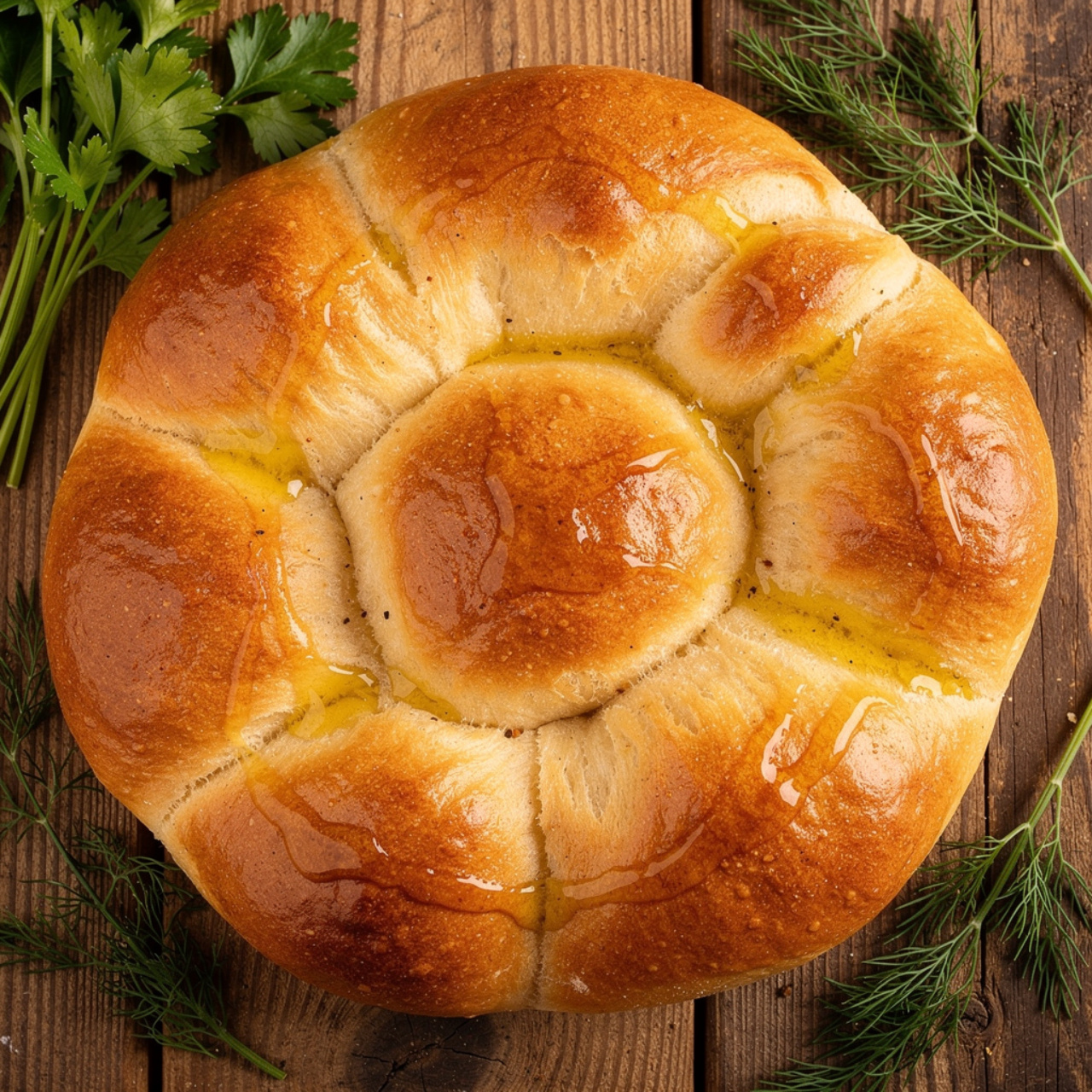
Turkish Bread (Pide Ekmek): Soft, Pillowy, and Ready in Under an Hour
This homemade Turkish bread (Pide Ekmek) is fluffy on the inside, golden on the outside, and impossibly easy to make with pantry staples. Perfect alongside soups, stews, or served fresh with olive oil and herbs.

The Bread You Will Want to Make Every Single Week
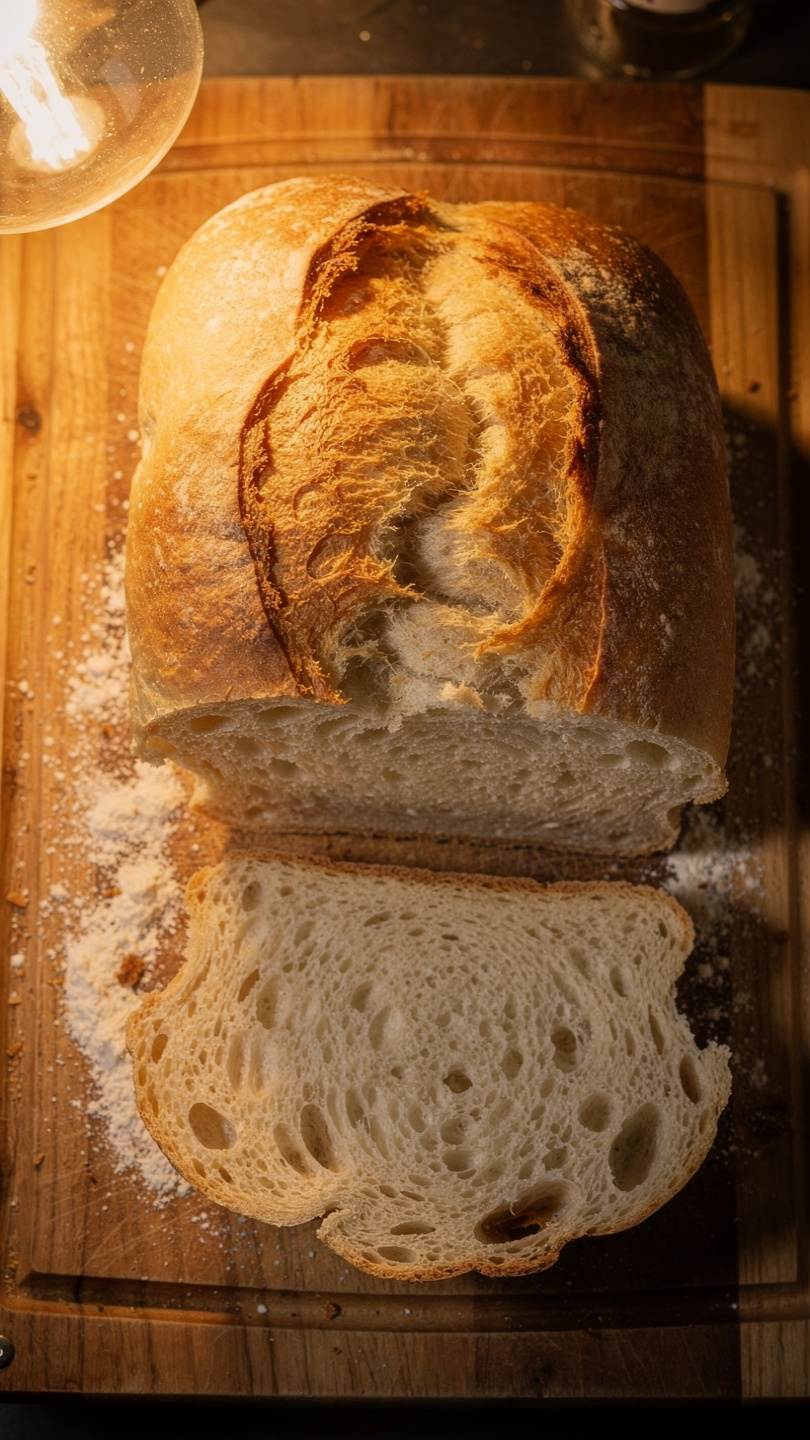
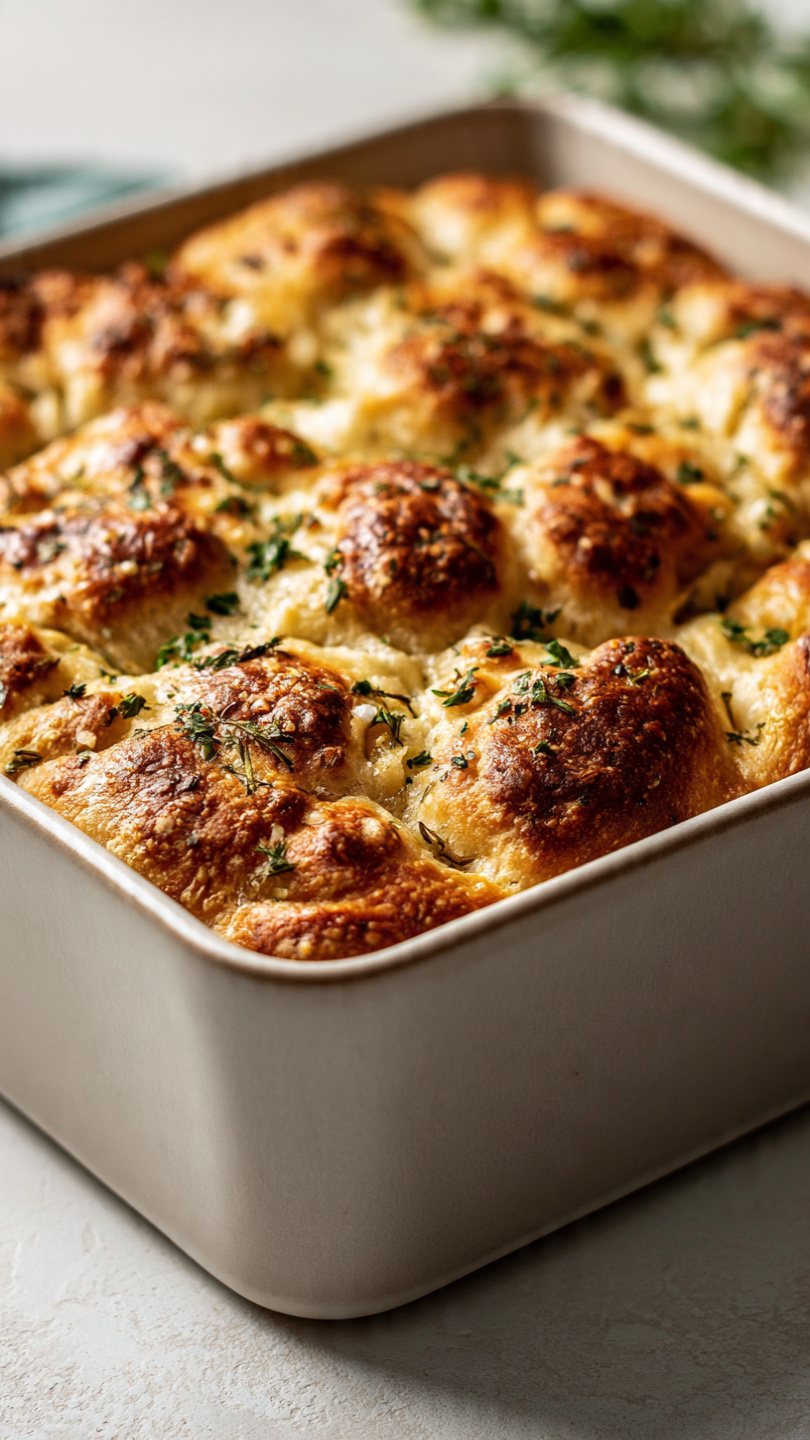
There is something deeply satisfying about pulling a golden, seed-studded loaf of Turkish bread out of the oven. Known as Pide Ekmek in Turkey, this is the kind of bread that turns an ordinary dinner into something memorable. The crust is lightly crisp, the inside is cloud-soft and chewy, and the signature dimpled top makes it look like you ordered it straight from a bakery in Istanbul.
This is one of those different kinds of bread recipes that feels special but does not require a stand mixer, a bread machine, or any baking experience. If you have flour, water, yeast, and a little yogurt, you are already most of the way there. It is one of those random recipes to try when you are craving something homemade but do not want to spend hours in the kitchen.
Using the right flour and a good quality olive oil really does make a difference in the final texture and flavor of this bread. A heavy baking sheet or a preheated baking stone helps you get that gorgeous golden crust without burning the bottom.
Why This Recipe Works So Well
The secret to this bread's incredibly soft crumb is plain whole-milk yogurt. It adds just enough fat and acidity to tenderize the gluten, giving you that pillowy texture that makes Turkish bread so distinct from standard white sandwich loaves. Combined with a good glug of olive oil, the result is rich without being heavy.
The dimples pressed into the surface are not just decorative. They help the bread bake evenly by preventing the top from puffing up too much, and they create little pockets that catch the egg wash and seeds beautifully.
Chef's Tip: Do not be shy with the dimples. Press your fingers all the way down firmly so they hold their shape in the oven. Shallow dimples tend to disappear as the dough springs up during baking.
This is also one of the best middle eastern breads to serve alongside almost anything. It is thick enough to scoop up dips like hummus or baba ganoush, sturdy enough to use as crusty bread for stew, and soft enough to tear apart and enjoy warm with just a drizzle of good olive oil.
Perfect for So Many Occasions
Wondering what can I make with flour that actually impresses people? This is your answer. Turkish bread fits naturally into so many meals and menus.
Here are a few of our favorite ways to serve it:
- Torn into pieces alongside a hearty lentil soup or lamb stew
- Sliced and used as the base for open-faced sandwiches with feta and roasted vegetables
- Served warm at the table with olive oil, za'atar, and a pinch of flaky salt
- Cut into wedges and paired with a mezze spread for a crowd-pleasing appetizer
This makes it a go-to recipe for different kinds of dinners, whether you are entertaining guests or just trying to make a weeknight meal feel more special. It is genuinely easy delicious bread that looks far more impressive than the effort involved.
Note: If you are serving this as bread for stew, bake it about 20 minutes before the stew is ready so it comes out of the oven still warm when you sit down to eat.
Ready to bake your new favorite loaf? Here is the full step-by-step recipe:
Turkish Bread (Pide Ekmek): Soft, Pillowy, and Ready in Under an Hour
This homemade Turkish bread (Pide Ekmek) is fluffy on the inside, golden on the outside, and impossibly easy to make with pantry staples. Perfect alongside soups, stews, or served fresh with olive oil and herbs.
Ingredients
- 3 cups all-purpose flour, plus extra for dusting
- 2 1/4 tsp instant yeast, one standard packet
- 1 cup warm water, around 110 degrees F, not boiling
- 1/2 cup plain whole-milk yogurt, room temperature, for softness
- 2 tbsp olive oil, extra virgin, plus more for brushing
- 1 tsp sugar, to feed the yeast
- 1 1/2 tsp salt
- 1 large egg, beaten, for egg wash
- 2 tbsp sesame seeds, or nigella seeds, for topping
Instruction
In a small bowl, combine the warm water, sugar, and instant yeast. Stir gently and let sit for 5 minutes until slightly foamy.
In a large mixing bowl, whisk together the flour and salt. Make a well in the center and pour in the yeast mixture, yogurt, and olive oil.
Mix until a shaggy dough forms, then turn out onto a lightly floured surface and knead for 8 to 10 minutes until smooth and elastic. The dough should be soft and slightly tacky but not sticky.
Place the dough in a lightly oiled bowl, cover with a clean kitchen towel or plastic wrap, and let it rise in a warm spot for 45 minutes to 1 hour, until doubled in size.
Preheat your oven to 425 degrees F (220 degrees C) and line a large baking sheet with parchment paper.
Punch down the dough and divide it into 2 equal portions. Shape each portion into a round or oval loaf about 1 inch thick and place on the prepared baking sheet.
Using your fingertips, press deep dimples all over the surface of each loaf in a grid pattern. This is the signature look of Turkish bread.
Brush generously with the beaten egg wash, then sprinkle sesame seeds (or nigella seeds) evenly over the top.
Bake for 20 to 25 minutes until deep golden brown on top and hollow-sounding when tapped on the bottom.
Remove from the oven and let cool on a wire rack for at least 10 minutes before slicing. Serve warm for best results.
Equipment
- Large mixing bowl
- Small bowl
- Baking sheet
- Parchment paper
- Pastry brush
- Wire cooling rack
- Kitchen towel or plastic wrap
Notes
Storing, Freezing, and Making It Ahead
Turkish bread is genuinely best the day it is baked, when the crust still has a little snap and the interior is warm and soft. That said, it keeps well wrapped at room temperature for two days and freezes beautifully for up to a month.
If you want to get ahead, you can shape the loaves and refrigerate them overnight after the first rise. Pull them out about 30 minutes before baking to take the chill off, then dimple, glaze, and bake as directed.
Whether you are exploring different kinds of bread recipes for the first time or you are a seasoned home baker looking to expand your repertoire into middle eastern breads, this one deserves a permanent spot in your rotation.